Sliven, Bulgaria
- 83,740 people
- 8 places to visit
- 42.6817, 26.3229
Places to Visit (8)
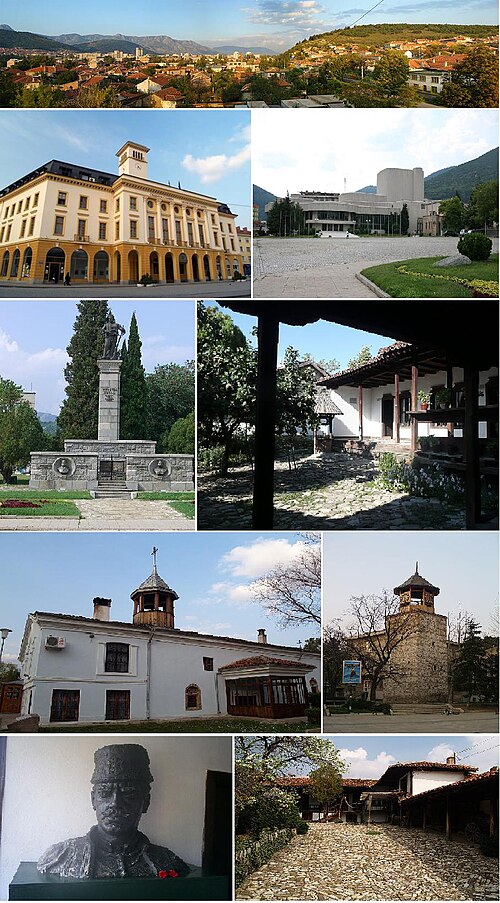
Sliven is a city in southeastern Bulgaria, known for its rich history, stunning landscapes, and cultural significance. It is the administrative center of Sliven Province and boasts a population of around 100,000 residents. The city is situated at the foot of the eastern slopes of the Balkan Mountains and is traversed by the Sliven River. Its strategic location has made it a pivotal point in various historical events, serving as a trade route between Europe and Asia. The region around Sliven has been inhabited since ancient times, with archaeological findings indicating settlements dating back to the Thracian era. Throughout history, Sliven has experienced the rise and fall of various empires, including Roman and Ottoman, each leaving a mark on the city’s architecture and cultural landscape.
Sliven is often referred to as the "City of the 100 Voivodes" due to its association with numerous Bulgarian revolutionary leaders who played critical roles in the fight for liberation from Ottoman rule. The city's historical importance is highlighted by monuments and museums dedicated to these figures, such as the House-Museum of the National Revival, which showcases the local history and the spirit of the Bulgarian Renaissance. The city is also renowned for its natural beauty, surrounded by lush forests and mountainous terrain, making it a popular destination for outdoor activities like hiking and mountain biking. The picturesque local landmarks, such as the Sinite Kamani (Blue Stones) nature park and the nearby fortress of Tuida, attract both tourists and locals, offering a glimpse into the scenic charm of the Bulgarian countryside.
Culturally, Sliven has a vibrant scene characterized by its local arts and crafts, including the production of high-quality textiles and carpets, which have historical significance dating back to the 19th century. The city is home to various schools of arts and theater, contributing to its reputation as a center of culture. Annual events, such as the Sliven Music Festival and various folklore festivals, celebrate the region’s traditions and customs, fostering a sense of community and heritage. In modern times, Sliven has developed its economy with a focus on industry, agriculture, and tourism, making it an important economic hub in Bulgaria. The blend of historical depth, cultural richness, and natural beauty makes Sliven a unique city that continues to evolve while preserving its heritage.
Facts about Sliven
- Sliven is known as the 'City of the 100 Voivodes' due to its historical significance as a center for Bulgarian revolutionaries during the National Revival period.
- The city is home to the famous Sliven literary school, which produced notable Bulgarian writers and poets in the 19th century.
- Sliven is located near the Sliven Mountains, which are recognized for their unique natural landscapes and biodiversity, including rare plant species.
- The town hosts the Sliven Karakachans Festival, celebrating the traditional culture of the Karakachans, a group of Bulgarian nomadic shepherds.
- The historical architectural ensemble in the center of Sliven showcases Renaissance-style houses, making it an important location for cultural tourism.
- The Sliven Waterfall, located near the city, is one of the highest waterfalls in Bulgaria, attracting nature lovers and hikers.
- Sliven is famous for its production of high-quality textiles, particularly in the cotton industry, contributing significantly to Bulgaria's economy.
- The city has a long-standing tradition of winemaking, with vineyards producing some of Bulgaria's finest wines.
- Sliven is also home to the 3rd Infantry Regiment, recognized as one of the oldest military units in Bulgaria with roots tracing back to the late 19th century.
- The annual Sliven Carnival celebrates local culture with vibrant parades, traditional dances, and the showcasing of various folk arts.