Smolensk, Russian Federation
- 330,025 people
- 17 places to visit
- 54.7903, 32.0504
Places to Visit (17)
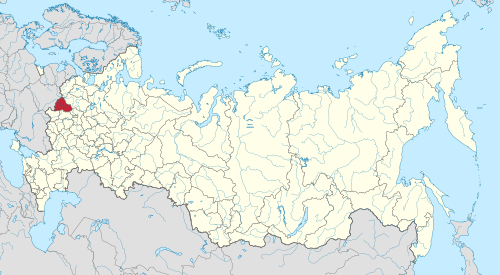
Smolensk is a historic city located in western Russia, serving as the administrative center of Smolensk Oblast. It is situated on the banks of the Dnieper River, approximately 400 kilometers southwest of Moscow. Known for its strategic location, Smolensk has been a pivotal point throughout Russian history, often serving as a gateway between Europe and the East. The city dates back over a thousand years, with its founding traditionally attributed to the 9th century, making it one of the oldest urban centers in Russia. Smolensk's rich cultural heritage is reflected in its diverse architecture, with prominent structures such as the Smolensk Fortress, which played a crucial role in numerous military conflicts, notably during the Napoleonic Wars.
Throughout its history, Smolensk has experienced various political and social changes, serving as a significant stronghold during times of war. It was captured and sacked multiple times, notably during the Polish-Lithuanian Commonwealth’s incursion in the 17th century and by Napoleon in 1812. The city was also heavily impacted during World War II, suffering extensive destruction before being liberated by Soviet forces in 1943. Today, Smolensk is known for its thriving cultural scene, home to several museums, theaters, and galleries. The city celebrates numerous festivals and events, highlighting its artistic and historical significance. Modern Smolensk has expanded with industrial developments, while still preserving its historical sites, making it a blend of past and present. The rich tapestry of Smolensk's history, combined with its natural beauty, makes it an important cultural and economic center in Russia.
Facts about Smolensk
- Smolensk is one of the oldest cities in Russia, founded over a thousand years ago in 863 AD, making it a significant historical landmark.
- The city played a crucial role in the defense of Russia during the Napoleonic Wars, particularly noted for the Battle of Smolensk in 1812.
- Smolensk is famous for its unique baroque-style architecture, particularly the Smolensk Cathedral, an outstanding example of this style in Russia.
- The fortress walls of Smolensk, built in the 16th century, are some of the best-preserved examples of defensive architecture in the country and are a UNESCO World Heritage candidate site.
- Smolensk is known as the 'Mother of Russian Cities' (Mat' Gorodov Rossii) due to its pivotal role in the formation of the Russian state.
- The city is notable for its heavy Jewish population before World War II, which contributed to a rich cultural diversity that has influenced local heritage.
- Smolensk is home to several museums, including the Smolensk State Museum-Reserve, which houses thousands of artifacts relating to the region's history and culture.
- The city has a unique underground system of catacombs, believed to be some of the largest in Europe, which were used historically for various purposes.
- Smolensk has a significant aviation industry, contributing to the Russian aerospace sector and being home to various aviation-related companies.
- Each year, Smolensk hosts the 'Smolensk Melodies' festival, celebrating regional music, culture, and traditions, attracting local and international artists.