Snina, Slovakia
- 22,221 people
- 2 places to visit
- 48.9877, 22.1583
Places to Visit (2)
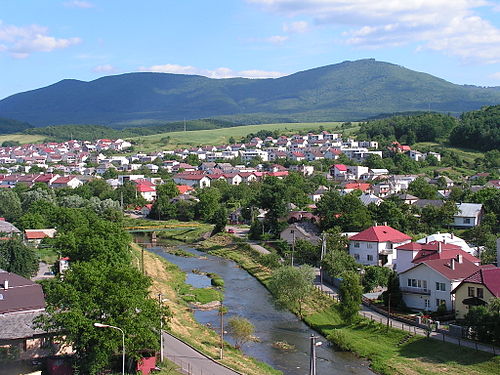
Snina is a town located in northeastern Slovakia, situated at the foothills of the picturesque Vihorlat Mountains and near the border with Poland and Ukraine. It lies in the Prešov Region, specifically within the district of the same name, which is characterized by its stunning natural beauty and rich biodiversity. The town has a population of approximately 10,000 residents, making it a relatively small urban center. The region is known for its connection to nature, with the nearby Poloniny National Park and various hiking trails attracting outdoor enthusiasts and tourists alike.
Historically, Snina has its roots in the medieval period and was first mentioned in written records in 1334. The town has witnessed a variety of cultural influences over the centuries, shaped by its geographical location and historical events. Notable landmarks in Snina include the Church of St. Nicholas, a prominent Gothic structure that reflects the town's architectural heritage, and the Museum of the Snina Region, which showcases local history and traditions. The economy of Snina has traditionally been based on agriculture, with a focus on crops such as cereals and tobacco, as well as textile and wood processing industries. In recent years, tourism has become an increasingly important aspect of the local economy, promoting the area's natural resources and cultural heritage.
The residents of Snina celebrate various traditional festivals and events, contributing to the town’s vibrant local culture. The annual Snina Fest, for instance, showcases local music, crafts, and gastronomy, fostering community spirit and attracting visitors from surrounding regions. Additionally, the town’s strategic location serves as a gateway for exploring the natural landscapes of northeastern Slovakia, making it an appealing destination for those seeking to experience the tranquility of its lakes, forests, and hills. Overall, Snina represents a unique blend of history, culture, and natural beauty, making it a notable location within Slovakia.
Facts about Snina
- Snina is known for its proximity to the Poloniny National Park, which is home to some of the last remaining primeval beech forests in Europe, recognized as a UNESCO World Heritage site.
- The town has a rich history dating back to the 13th century, with its first written mention occurring in 1370, setting it apart as one of the older settlements in Slovakia.
- Snina hosts the unique Snina Music Festival, which celebrates cultural diversity and features a variety of musical genres, drawing visitors from across the region.
- The city is characterized by its distinctive folk architecture, particularly the charming wooden houses and traditional crafts that are emblematic of the region.
- Snina is known for its thermal and mineral springs, which have been used for therapeutic purposes, contributing to the town's reputation as a health resort.
- The town's coat of arms features a silver star, symbolizing its historical significance and connection to various regional legends.
- Snina is home to the only preserved wooden Greek Catholic church, which is a remarkable example of folk wooden architecture in the country.
- The nearby Snina Stone, a unique geological formation, serves as a popular hiking destination and offers stunning views of the surrounding landscapes.
- Snina has a diverse population, including a notable number of Ruthenian and Ukrainian minorities, contributing to its cultural richness and traditions.
- The city is involved in various environmental and conservation projects, particularly aimed at preserving the biodiversity of the Poloniny region.