Sochaczew, Poland
- 38,267 people
- 13 places to visit
- 52.2293, 20.2384
Places to Visit (13)
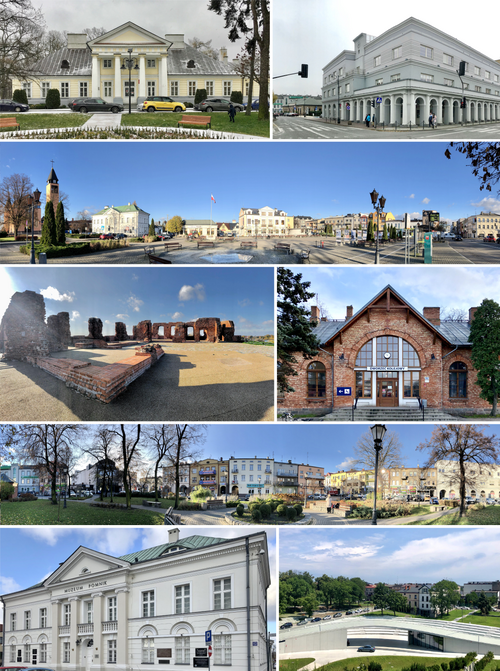
Sochaczew is a town located in central Poland, situated approximately 50 kilometers west of Warsaw, the capital city. It is the administrative seat of the Sochaczew County in the Masovian Voivodeship. Traditionally viewed as a quaint yet vital regional center, the town has a rich history that dates back to the Middle Ages. Evidence of human existence in the area can be traced back to the 9th century, and Sochaczew was granted town rights in 1355. The town has often played a significant role in local trade routes, thanks to its strategic position near the Bzura River, which facilitated commerce and communication.
Historically, Sochaczew has experienced periods of growth and decline, reflecting the broader trends in Polish history. It was significantly influenced by various ruling powers and faced hardships, especially during the partitions of Poland and the effects of World War II. The town is known for its historical landmarks, including the remnants of a medieval castle and the Church of St. Paul, which showcases the architectural styles prevalent in the region. In the more modern context, Sochaczew has embraced industrialization, with a focus on manufacturing, food processing, and logistics, positioning itself as an essential hub in the Masovian region.
Today, Sochaczew is not only a center for local governance and commerce but also a destination for cultural tourism. The community hosts several annual events, including festivals that celebrate local heritage and traditions. The surrounding landscape, featuring both urban and natural elements, offers recreational opportunities for residents and visitors alike. As part of the broader Masovian region, Sochaczew benefits from ongoing development and investments aimed at improving infrastructure and enhancing the quality of life for its inhabitants, making it a vibrant place to live and work.
Facts about Sochaczew
- Sochaczew is home to the historical Boryszew Castle, which dates back to the 14th century and is one of the few remaining medieval structures in the region.
- The city played a significant role during World War II as a strategic point for both German and Soviet forces, which shaped its historical landscape.
- Sochaczew is known for its annual cultural events, including the Sochaczew Cultural Festival, which celebrates local music, art, and traditions.
- The town has a unique local specialty called 'sochaczewski chleb' (Sochaczew bread), recognized for its traditional baking methods and unique flavor.
- Sochaczew is situated near the scenic Bzura River, which offers picturesque landscapes and recreational opportunities, distinguishing it from other urban areas.
- The city has a rich railway history, being a significant junction for the Warsaw to Poznań railway line since the 19th century.
- Located close to the Kampinos National Park, Sochaczew provides easy access to vast natural landscapes, making it a favorable spot for nature lovers.
- Sochaczew also hosts the annual Sochaczew Balloon Festival, attracting balloon enthusiasts and participants from all over Poland.
- The local museum, Muzeum Ziemi Sochaczewskiej, showcases the unique history and culture of the Sochaczew region, distinguishing it from other museums in Poland.
- Sochaczew is known for its diverse community, having a rich blend of Polish heritage and multicultural influences, particularly from the Jewish community that once thrived here.