Sodo, Ethiopia
- 204,100 people
- 1 places to visit
- 6.8647, 37.7623
Places to Visit (1)
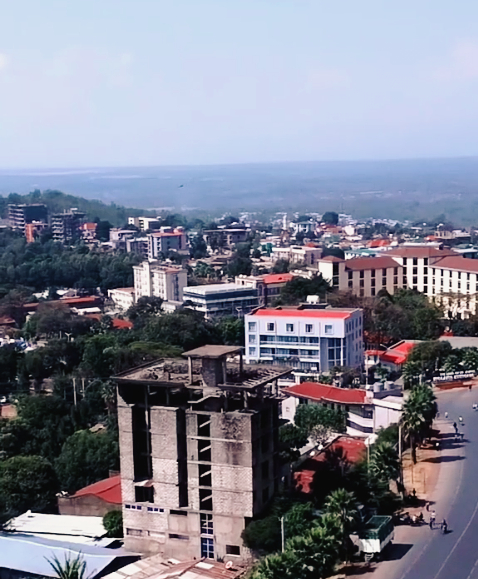
Sodo, also known as Wolaita Sodo, is a city located in the Southern Nations, Nationalities, and Peoples' Region (SNNPR) of Ethiopia. It serves as the administrative center of the Wolaita Zone and is situated approximately 300 kilometers southwest of the capital city, Addis Ababa. Nestled in the highlands at an elevation of about 1,650 meters, Sodo enjoys a temperate climate, which contributes to its agricultural productivity. The surrounding region is primarily known for its fertile soil, making it a significant area for farming cash crops such as coffee, maize, and enset, a staple food in Ethiopian cuisine. The population of Sodo is diverse, consisting mainly of the Wolaita ethnic group along with various other communities, speaking languages such as Wolaitigna and Amharic.
Over the years, Sodo has developed into a vibrant urban center with a range of educational and health institutions. The city is home to Wolaita Sodo University, which attracts students from various parts of Ethiopia and contributes to the local economy. Markets in Sodo are bustling, with traders selling agricultural produce, handicrafts, and goods essential for daily living. The city's infrastructure has seen improvements, including roads and public transport systems, facilitating better connectivity with neighboring regions. Additionally, Sodo has cultural significance, with local traditions, music, and festivals actively celebrated, reflecting the rich heritage of the Wolaita people. As Sodo continues to grow, it balances its agricultural roots with urban development, making it a key player in Ethiopia's broader economic landscape.
Facts about Sodo
- Sodo is known for its vibrant coffee culture, being situated near the coffee-growing regions of Ethiopia, which is considered the birthplace of coffee.
- The city hosts the annual Sodo International Youth Festival, which promotes cultural exchange and youth empowerment, attracting participants from across the country.
- Sodo is also notable for its distinctive highland climate, which differs from many other parts of Ethiopia, providing a cooler and more temperate environment.
- The Sodo district is known for its ancient rock-hewn churches, which date back to the 4th century, highlighting the area's historical significance in Ethiopian Orthodox Christianity.
- Sodo serves as an important educational center with several institutions of higher learning, including the Wolaita Sodo University, one of the prominent public universities in Ethiopia.
- The city is located at the junction between several major trade routes, making it a vital commercial hub within the Southern Nations, Nationalities, and Peoples' Region (SNNPR).
- Sodo has a diverse population with over 12 ethnic groups, reflecting a rich tapestry of cultures and languages, which is unique compared to other cities in Ethiopia.
- The town is famous for its vibrant markets, particularly the livestock market that attracts buyers and sellers, making it one of the main economic activities in the region.
- Sodo is home to unique natural landmarks, including Lake Abaya, which is one of the largest lakes in Ethiopia and is located to the south of the city.
- The city's traditional Sodo festivals, which celebrate local customs and heritage, provide a unique insight into the cultural practices of the Wolaita people.