Soest, Netherlands
- 45,021 people
- 11 places to visit
- 52.1764, 5.2992
Places to Visit (11)
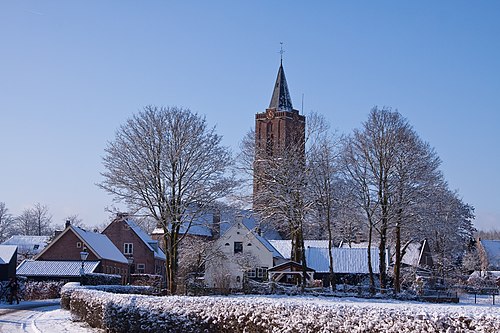
Soest is a charming municipality and town located in the province of Utrecht in the Netherlands. Situated approximately 15 kilometers to the southeast of Utrecht city, Soest boasts a rich history that dates back to the early Middle Ages. The area is characterized by its scenic landscapes, including forests, heathlands, and the gently rolling hills typical of the Utrechtse Heuvelrug, a ridge of hills that runs through the region. The town is well-connected by various transportation options, including rail and road networks, making it an accessible destination for both residents and visitors.
The historical significance of Soest is reflected in its architecture and cultural heritage. The town is home to several notable buildings, including the medieval Church of St. Agnes, which showcases elements of Romanesque and Gothic architecture. Additionally, Soest has various heritage sites, such as the manor house known as 'Huis ter Kuilen' and the remnants of an old fortification. The local economy has evolved over time, with tourism, retail, and services becoming integral to its growth. The surrounding natural beauty offers residents and tourists alike opportunities for outdoor activities such as hiking and cycling, with many picturesque trails winding through nearby forests and heaths.
Soest also hosts several annual events that contribute to its vibrant community life. Local festivals, markets, and cultural activities play a significant role in fostering connections among residents while also engaging visitors. The town's commitment to preserving its historical identity while embracing modernity makes it a unique place to live and explore. With its blend of natural beauty, rich history, and community vibrancy, Soest stands as a notable example of Dutch charm and culture in the heart of the Netherlands.
Facts about Soest
- Soest is known for its unique historical buildings, including the 15th-century Lebuïnus Church, which showcases notable Gothic architecture.
- The city has a rich history dating back to the Roman era, evidenced by archaeological finds in the region that contributed to understanding ancient life in the Netherlands.
- Soest is home to the Soesterduinen, a large sandy heath area that features diverse flora and fauna, making it a popular spot for nature lovers and hikers.
- The annual Soester Eemland Fair celebrates local culture, featuring traditional crafts, music, and food, highlighting the heritage of the region.
- Soest is recognized for the prominent presence of windmills, with several historical examples still intact, showcasing the traditional Dutch landscape.
- The city has a strong connection to the art community, being the birthplace of prominent Dutch painter Jan van Dalen in the 17th century.
- Soest's location near the Utrechtse Heuvelrug National Park provides residents and visitors with easy access to stunning natural landscapes and recreational activities.
- The city is known for its annual Soester Kermis, one of the oldest fairs in the region, featuring various rides, games, and local delicacies.
- Soest played a significant role during World War II, with many historical sites and memorials dedicated to the events that transpired in the area.
- The local municipality of Soest has been involved in several sustainable initiatives, promoting green energy and environmental protection, distinguishing it from other Dutch towns.