Sohag, Egypt
- 266,944 people
- 2 places to visit
- 26.5591, 31.6957
Places to Visit (2)
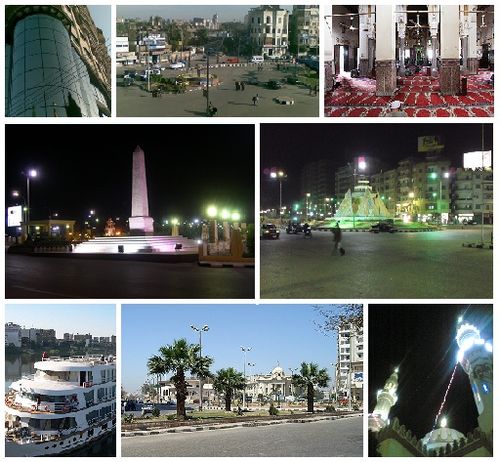
Sohag is a city located in Upper Egypt, serving as the capital of the Sohag Governorate. It is situated on the western bank of the Nile River, approximately 480 kilometers south of Cairo. With a population of around 250,000 residents, Sohag is an integral part of the cultural and economic landscape of the region. The city boasts a rich history that dates back to ancient times, often linked to the city of Ancient Akhmin, known for its historical significance during the Pharaonic era. Today, Sohag retains its cultural heritage, which is reflected in its local architecture and monuments, as well as its proximity to significant archaeological sites, including the Temple of Seti I in Abydos, which lies to the northwest.
Economically, Sohag is a hub for agriculture, particularly known for its fertile lands along the Nile. The region produces various crops, including wheat, cotton, and sugarcane, contributing significantly to Egypt’s agricultural output. In addition to agriculture, Sohag has developed industries focused on textiles, handicrafts, and food processing. The city has seen a slow but steady urbanization process in recent years, accompanied by infrastructural developments aimed at modernizing the area and enhancing living conditions for its residents. Furthermore, the educational landscape in Sohag has grown with the establishment of institutions like Sohag University, which adds to the city’s appeal as a center for learning and research.
Sohag is also noted for its religious significance, with several mosques and Coptic churches highlighting its diverse cultural tapestry. Notable sites include the Coptic Monastery of the Holy Virgin Mary, which attracts tourists and pilgrims alike, and represents the depth of both Islamic and Christian traditions in the region. Additionally, Sohag hosts festivities and local customs that enhance its cultural identity. With its blend of historical significance, agricultural prowess, and rich cultural tapestry, Sohag stands out as a vital city in Egypt’s socio-economic landscape, offering insights into the country’s past and present.
Facts about Sohag
- Sohag is home to the famous Red Monastery, an ancient Coptic monastery that dates back to the 4th century and is renowned for its stunning architecture and intricate frescoes.
- The city is strategically located along the banks of the Nile River, which has historically made it an important hub for trade and agriculture in Upper Egypt.
- Sohag is known for its rich archaeological heritage, including the nearby Temple of Seti I in Abydos, one of the most important religious sites of Ancient Egypt.
- The annual Sphinx Festival, which takes place in Sohag, celebrates the region's historical significance and attracts visitors interested in Egyptian history and culture.
- Sohag is one of the few cities in Egypt with a significant number of well-preserved Coptic churches, highlighting the city's importance in Coptic Christian heritage.
- The city played a vital role during the Islamic conquest of Egypt, serving as a key location for military campaigns in the 7th century.
- Sohag has a mixed population, including a large number of Copts, distinguishing it from many other Egyptian cities which predominantly have a Muslim population.
- The Sohag University, established in 2006, has quickly become a prominent higher education institution in Upper Egypt, contributing to the region's educational development.
- Sohag is known for its textile production, particularly cotton, which is one of the city's primary economic activities, setting it apart from other areas in Egypt.
- The local cuisine features unique dishes that reflect the cultural influences of the region, with specialties such as 'Koshari' and various traditional Nubian recipes.