Sōja, Japan
- 67,059 people
- 10 places to visit
- 34.6728, 133.7465
Places to Visit (10)
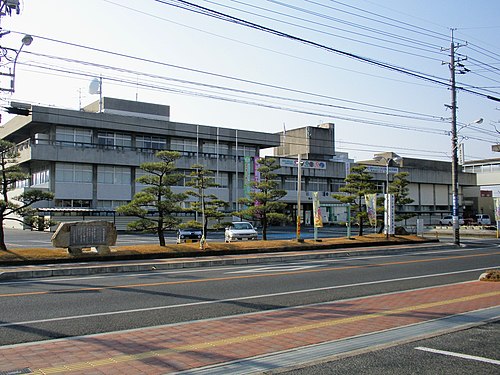
Sōja is a city located in Okayama Prefecture, Japan, known for its rich history, cultural heritage, and scenic landscapes. Established as a city in 2005, it was formed by the merger of several towns, including the former town of Sōja. Situated in the western part of Honshu, Sōja is surrounded by mountain ranges and offers picturesque views and outdoor recreational activities. Its strategic location allows for easy access to Okayama City and other nearby urban areas, contributing to its role as a residential and commercial hub.
The city has a unique cultural identity, with several historical sites reflecting its past. Sōja is home to Jindai-ji Temple, one of the oldest temples in the region, which has roots dating back to the Nara period (710-794 AD). This temple and other historical monuments attract both local and foreign visitors, contributing to the area's tourism. Additionally, Sōja hosts various festivals throughout the year, showcasing traditional Japanese culture. One of the most notable events is the Sōja Gion Matsuri, celebrated in July, which features vibrant parades, music, and traditional dances. The city is also known for its delicious local cuisine, particularly the Okayama-style sushi and seasonal dishes made from locally sourced ingredients.
Economically, Sōja features a mix of agriculture, industry, and tourism, with a strong emphasis on preserving its cultural heritage while promoting modern development. The area's agricultural sector is notable for producing high-quality rice and vegetables, while small to medium-sized enterprises contribute to local employment. The city's commitment to sustainability and regional development is reflected in various initiatives aimed at preserving the natural environment while enhancing the quality of life for its residents. Overall, Sōja presents a blend of tradition and progress, making it a unique and appealing destination in Japan.
Facts about Sōja
- Sōja is known for its unique cultural heritage, including its burgeoning traditional crafts, particularly pottery and textile arts.
- The city was established in 2004 through the merger of three towns: Sōja, Akaiwa, and Kibichūō, to form a single administrative unit.
- Sōja's landscape is characterized by the beautiful backdrop of the Chūgoku Mountains, making it a picturesque destination for nature lovers.
- The region is famous for the annual Sōja Sōja Festival, which features local traditions, food, and vibrant parades, attracting visitors from across Japan.
- Sōja is closely associated with the Kibi Plain, known for its ancient burial mounds and historical significance in Japanese history.
- The name 'Sōja' comes from the Sōja Shrine, which is dedicated to the deity of agriculture and has historical roots tracing back over a thousand years.
- Sōja boasts a local delicacy known as 'Kibi Dango', a sweet rice flour cake that has been enjoyed since the Heian Period and is still popular today.
- The city actively promotes eco-tourism, leveraging its rural landscapes and agritourism, which sets it apart from more urbanized areas.
- Sōja features a unique collaborative art project called 'Kibichūō Art Project' that showcases installations by local artists throughout the city.
- The city is a hub for various outdoor activities, including hiking and cycling, given its proximity to mountains and scenic trails.