Sōka, Japan
- 249,645 people
- 18 places to visit
- 35.8254, 139.8054
Places to Visit (18)
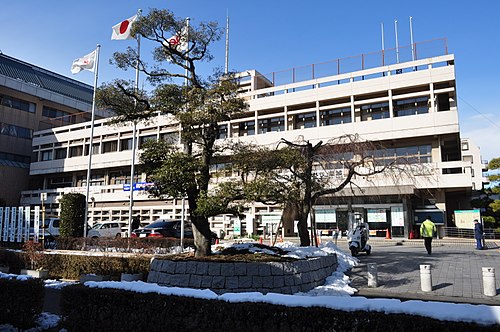
Sōka is a city located in Saitama Prefecture, Japan, approximately 20 kilometers north of central Tokyo. The city's history dates back to the Edo period when it was recognized as a post town on the highway linking Edo (now Tokyo) to the northern regions of Japan. The city's name, "Sōka," is believed to derive from the phrase "yama no soko," referring to the area's mountainous geography that has since been significantly urbanized. Sōka became a municipal entity in 1954, gaining city status, and has since developed from a traditional agricultural area into a vibrant suburban community.
Modern Sōka is known for its residential neighborhoods and a well-developed infrastructure that facilitates commuting to Tokyo. The city's location makes it a popular choice for those working in the capital while seeking a quieter living environment. Transportation is robust, with Sōka Station serving as a key hub on the Tobu Skytree Line, connecting residents to cities across the region. Additionally, the city is home to various parks and recreational facilities, contributing to a high quality of life. The Sōka Matsuri, held annually, is one of the notable cultural events that showcases the city's traditions, featuring parades, food stalls, and local performances that attract visitors from surrounding areas.
Sōka also preserves several historical landmarks, including the old town area where traditional wooden houses and temples remain. The city is famous for its craft of "Sōka tsūjitsu," which are intricately crafted and painted wooden dolls, a practice that reflects the area's artisanal heritage. As a growing urban center, Sōka balances modern living with its historical roots, making it an interesting destination not only for residents but also for those exploring the cultural tapestry of Japan. The city's combination of convenience, community spirit, and cultural richness continues to attract new residents and visitors alike.
Facts about Sōka
- Sōka is known for its unique production of traditional Japanese paper, known as 'Sōka-washi', which has been made in the area for centuries.
- The city is home to the historic Sōka City Museum, which showcases the local culture and history, including exhibitions on paper-making and traditional crafts.
- Sōka is famous for its scenic cherry blossom spots, especially in the spring when the Sōka Parks burst into bloom, attracting visitors both locally and internationally.
- The city has a unique annual event called the 'Sōka Fireworks Festival', which features vibrant displays and draws large crowds every summer.
- Sōka's population is notably diverse, with a significant number of foreign residents due to its proximity to Tokyo and the presence of various international companies.
- The city's name, 'Sōka', translates to 'mutual flower', reflecting its historical significance in agriculture and flower cultivation.
- Sōka is recognized as a center for 'Sōka Gakkai', a prominent Buddhist organization in Japan, which has its headquarters in the city, contributing to its cultural significance.
- The region features ancient temples and shrines, such as the famous Tōmyō-ji Temple, which dates back to the Kamakura period and is known for its historic architecture.
- Sōka is strategically located just north of Tokyo, making it a popular residential area for commuters who work in the capital.
- The city hosts various cultural events throughout the year, including traditional tea ceremonies and local craft fairs, promoting Sōka's rich cultural heritage.