Sokoto, Nigeria
- 1,040,000 people
- 5 places to visit
- 13.0059, 5.2476
Places to Visit (5)
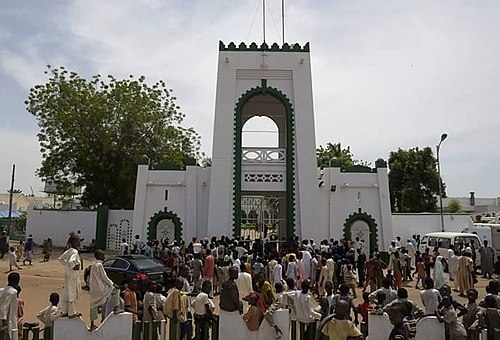
Sokoto is a prominent city located in northwestern Nigeria, serving as the capital of Sokoto State. Positioned near the confluence of the Sokoto River and the Rima River, Sokoto has historically been a significant cultural and economic center in the region. The city was established as the headquarters of the Sokoto Caliphate in the early 19th century by Usman dan Fodio, a Fulani scholar and religious leader who led a jihad that transformed the area into a powerful Islamic state. Today, Sokoto remains a crucial hub for Islamic scholarship and leadership. The Sultan of Sokoto, the spiritual leader of Muslims in Nigeria, resides in the city, which contributes to its religious significance.
Economically, Sokoto is known for its agricultural output, particularly in the production of crops like millet, sorghum, and groundnuts, as well as livestock farming. The region's climate, characterized by a distinct wet and dry season, supports farming activities, though the agricultural sector faces challenges such as inadequate infrastructure and climate change impacts. Additionally, the city is involved in trading and craft industries, with local artisans specializing in leatherwork, pottery, and textiles. Moreover, Sokoto is linked to major transportation routes, enhancing trade and commerce. Despite facing challenges such as poverty and limited access to education and healthcare, Sokoto is home to several universities and institutions of higher learning that focus on Islamic studies and other academic disciplines, fostering a blend of tradition and modernity. Overall, Sokoto is a city rich in history, culture, and potential, making it a vital area in Nigeria's socio-economic landscape.
Facts about Sokoto
- Sokoto is known as the seat of the Caliphate and was the center of the Sokoto Empire, which was one of the largest empires in West Africa during the 19th century.
- The city's Great Mosque of Sokoto, also known as the Sultan's Mosque, is a significant architectural landmark and serves as a major religious center for the Muslim community in Nigeria.
- Sokoto plays a crucial role in the Islamic history of Nigeria, being the residence of the Sultan of Sokoto, who is the spiritual leader of Muslims in the country.
- The annual Argungu Festival, held near Sokoto, is one of Nigeria's most famous cultural festivals, known for its fishing competition and attracting thousands of visitors.
- Sokoto has a distinctive culture, characterized by the rich traditions of the Fulani and Hausa peoples, including unique music, dance, and textile arts.
- The city hosts various historical monuments, including the tomb of Uthman dan Fodio, the founder of the Sokoto Caliphate, which attracts many pilgrims and tourists.
- Sokoto State is known for its unique handicrafts, particularly in leatherworks and traditional weaving, setting it apart from other regions in Nigeria.
- The region's agricultural practices, especially in groundnut, millet, and cotton production, contribute significantly to the economy of Sokoto, marking it as an agricultural hub.
- Sokoto was the birthplace of notable Nigerian leaders, including Sir Abubakar Tafawa Balewa, the first Prime Minister of Nigeria.
- The Sokoto River, an important waterway in the region, is known for its historical significance and contributes to the irrigation practices in the surrounding areas.