Solin, Croatia
- 20,996 people
- 12 places to visit
- 43.5423, 16.492
Places to Visit (12)
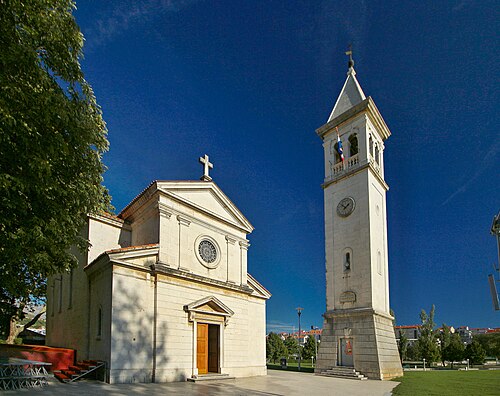
Solin is a picturesque town located in Croatia, situated just northeast of the city of Split, along the banks of the River Jadro. Known for its rich history and cultural significance, Solin is often recognized as the site of the ancient Roman city of Salona, which was a prominent settlement during the Roman Empire. Salona served as the capital of the Roman province of Dalmatia and was a bustling urban center, boasting impressive structures such as temples, forums, and early Christian churches. The remnants of Salona can still be seen today in the form of archeological sites that attract historians and tourists alike. The most notable ruins include the impressive city walls, the remains of a large amphitheater, and several basilicas that demonstrate the town's historical importance.
In addition to its historical significance, Solin offers a modern lifestyle blended with traditional elements. The town is characterized by its vibrant local culture, evident in the annual festivals and events that celebrate its heritage. Solin is also surrounded by natural beauty, including the nearby Kozjak mountain range and the lush countryside, making it an appealing destination for outdoor activities. The River Jadro, which meanders through the town, is central to the local ecosystem and contributes to the area's scenic charm. Today, Solin has grown into a residential suburb of Split but retains its unique identity, offering a blend of ancient history and contemporary living. With its charming streets, historical sites, and outdoor recreational opportunities, Solin is a noteworthy destination that reflects the cultural depth and natural beauty of Croatia.
Facts about Solin
- Solin is home to the ancient Roman city of Salona, which was the capital of the Roman province of Dalmatia and is one of Croatia's most significant archaeological sites.
- The Solinska River, which flows through the town, is known for its beautiful landscapes and has historical significance as it provided water to the ancient city of Salona.
- Solin features the impressive Cathedral of St. Mary, which is constructed on the site of a 7th-century church, showcasing the city's rich ecclesiastical history.
- The town hosts the annual 'Salona Salonae' festival, which celebrates its Roman heritage with reenactments, exhibitions, and various cultural events.
- Solin is located just a few kilometers from Split, making it a significant historical and cultural area that uniquely blends Roman history with a modern Croatian city.
- The remains of the ancient city walls of Salona can still be seen in Solin, providing a glimpse into its historical significance and architectural prowess during Roman times.
- Solin is known for its production of traditional Dalmatian wine, particularly the 'Vranac' variety, which adds a local culinary aspect to its cultural identity.
- The town has a well-preserved amphitheater which dates back to the Roman period, distinguishing it as a site of entertainment and cultural gatherings in ancient times.
- The Franciscan Monastery of St. Mary, located in Solin, is an important spiritual and historical landmark that offers insight into the town's medieval past.
- Solin’s proximity to both the Adriatic Sea and the Mosor Mountains makes it a unique destination for outdoor activities, providing a combination of coastal and mountainous experiences.