Soltau, Germany
- 21,945 people
- 10 places to visit
- 52.9847, 9.8421
Places to Visit (10)
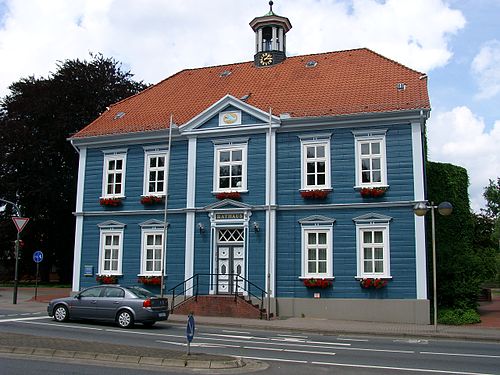
Soltau is a town in Lower Saxony, Germany, situated approximately 30 kilometers southwest of Hanover and 50 kilometers northeast of Bremen. With a population of about 7,000 residents, it is part of the district of Heidekreis. The town's history can be traced back to the medieval period, with its first documented mention in 1151. Over the centuries, Soltau developed as a center for trade and agriculture, benefiting from its strategic location along historical trade routes. The architecture in Soltau reflects its long history, with several half-timbered houses and buildings that represent the regional style.
A notable feature of Soltau is its proximity to natural attractions, most notably the Lüneburg Heath (Lüneburger Heide), a vast heathland area that is especially popular for hiking, cycling, and exploring nature. This region becomes particularly scenic in late summer when the heather blooms in a stunning display of purple hues. In addition to its natural beauty, Soltau is home to various cultural and recreational attractions, including the famous Heide Park Resort, which is one of the largest amusement parks in Germany. This theme park offers numerous rides and attractions suitable for visitors of all ages, making it a major draw for families and tourists.
Soltau serves as a regional hub with a range of amenities, including shops, schools, and healthcare facilities. The town has a lively community atmosphere, with local festivals and events that celebrate its heritage and foster social engagement among residents. The annual Soltauer Weihnachtsmarkt, or Christmas market, is a popular event that attracts visitors from surrounding areas. While maintaining its traditional charm, Soltau is well-connected through public transportation, including bus services that link it effectively to larger cities nearby. With its blend of historical significance, natural beauty, and modern attractions, Soltau continues to be a unique destination in Lower Saxony.
Facts about Soltau
- Soltau is known for its historic quarter with half-timbered houses that reflect traditional Northern German architecture.
- The city is home to the Soltau Spa Park, which is popular for its therapeutic mineral springs and wellness facilities.
- Soltau is famous for the Heide Park Resort, one of the largest amusement parks in Germany, attracting visitors with its variety of rides and attractions.
- The town hosts the annual Soltauer Stadtfest, a vibrant city festival celebrating local culture, food, and music, attracting locals and tourists alike.
- Soltau has a strong connection to the Lüneburg Heath (Lüneburger Heide), a unique natural landscape known for its heathland, which is a habitat for rare flora and fauna.
- The city's history dates back over 1,000 years, with mentions in documents from the 11th century, marking it as one of the older settlements in Lower Saxony.
- Soltau is situated on the European Route of Brick Gothic, a cultural route that highlights the region’s distinctive brick Gothic architecture.
- The Soltau Museum provides insights into the local history, showcasing artifacts from it’s medieval past to the present, including exhibitions on the region's textile industry.
- In the 19th century, Soltau became a center for the production of lace and textiles, significantly contributing to the local economy during that era.
- The town features various historical landmarks, including St. John's Church (St. Johannis Kirche), which dates back to the late Gothic period and is known for its intricate architecture.