Sonīpat, India
- 250,521 people
- 12 places to visit
- 28.9931, 77.0151
Places to Visit (12)
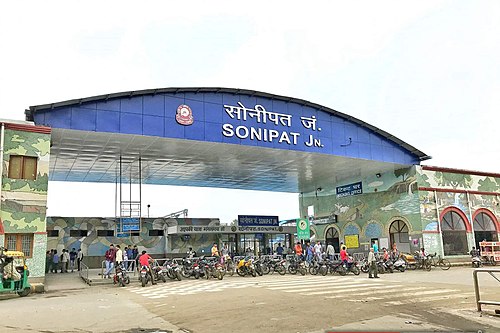
Sonīpat is a city located in the Indian state of Haryana, approximately 45 kilometers north of the national capital, New Delhi. It serves as the administrative headquarters of Sonīpat district and is an integral part of the National Capital Region (NCR). The city is known for its rich historical significance and has been a crucial center for trade and agriculture since ancient times. The name "Sonīpat" is derived from the phrase "Soni," which means "gold" in Hindi, reflecting the area's historical wealth. The region has witnessed various ruling dynasties, including the Mauryas and the Mughals, contributing to its diverse cultural heritage.
Sonīpat's economy is primarily driven by agriculture, industry, and trade. The city is surrounded by fertile agricultural land, making it a hub for the production of crops such as wheat, rice, and sugarcane. In recent years, however, Sonīpat has emerged as an industrial center, with various factories and manufacturing units being established, particularly in sectors like textiles, automobile parts, and engineering. The city's infrastructure has evolved significantly, with improved transportation facilities including rail and road connectivity, enhancing its accessibility to nearby metropolitan areas. Educational institutions, including a number of prestigious universities and colleges, have also established themselves in Sonīpat, contributing to the city's growth and development.
Additionally, Sonīpat is culturally vibrant, hosting several festivals and events that reflect its rich traditions. The architecture of the city showcases a blend of modern and historical styles, with landmarks such as the famous tomb of Sheikh Chilli, an important figure in Sufi mysticism, and various temples and gurudwaras attracting visitors year-round. As the city continues to grow, it navigates the challenges of urbanization while striving to preserve its cultural heritage and historical essence. With its strategic location, evolving economic landscape, and cultural richness, Sonīpat plays a significant role in the broader context of Haryana and the National Capital Region.
Facts about Sonīpat
- Sonīpat is part of the National Capital Region (NCR) of India, making it a crucial economic hub for industries and businesses.
- The city has historical significance as a part of ancient Haryana, which is mentioned in the epic Mahabharata as the land of the Kurukshetra War.
- Sonīpat is home to several prestigious educational institutions, including the famous Indian Institute of Management (IIM) Rohtak, which is located in proximity to the city.
- The city has a vibrant industrial landscape, known for its production of textiles, sports goods, and industrial machinery, contributing significantly to the Haryana economy.
- Sonīpat has a unique tradition of 'Khaps,' or community-based councils, which play a significant role in social governance and local traditions.
- The city houses the historic Bhima Devi Temple, which showcases the traditional architecture and cultural heritage of the region.
- Sonīpat is known for its lush green surroundings and agricultural output, particularly in crops like wheat and rice, which positions it as an important agrarian center.
- The city is strategically located along the Grand Trunk Road, one of Asia's oldest and longest major roads, facilitating trade and transportation.
- Sonīpat has a growing reputation for sports, with a particular emphasis on wrestling and boxing, producing several athletes who have represented India in national and international competitions.
- The annual Surajkund International Crafts Mela is an event that attracts artisans from around the world, promoting local crafts and cultural exchange in Sonīpat.