Sonneberg, Germany
- 23,908 people
- 9 places to visit
- 50.3602, 11.171
Places to Visit (9)
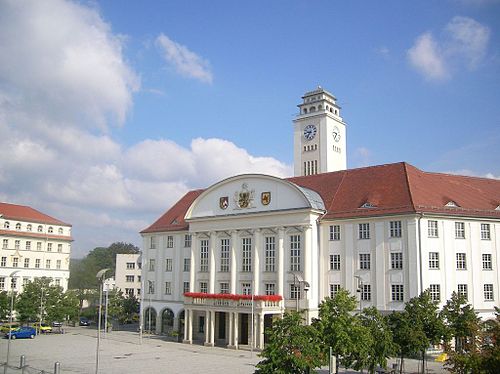
Sonneberg is a small town in southern Germany, located in the state of Thuringia. Nestled in the picturesque landscape of the Thuringian Forest, Sonneberg serves as the administrative center of the Sonneberg district. Historically, it has been recognized for its rich tradition in toy manufacturing, earning it the title "Toy City." This legacy dates back to the 19th century when the region became a hub for the production of handcrafted toys, particularly stuffed animals and dolls. Even today, the town celebrates this heritage with various museums dedicated to toys and is home to numerous craft businesses that continue the tradition.
The population of Sonneberg hovers around 17,000 residents, and it features a mix of historical architecture and modern amenities. Its central square, marked by the Town Hall, showcases charming facades that reflect the town's historical significance. In addition to its industrial roots, Sonneberg is surrounded by natural beauty, making it a gateway for outdoor enthusiasts who enjoy hiking, biking, and nature walks in the nearby forests and hills. The town is well-connected by regional transportation, making it accessible for tourists wanting to explore the broader Thuringia area, including the nearby cities of Coburg and Erfurt.
Education and cultural activities play an essential role in Sonneberg's community life. The town hosts various events throughout the year, including Christmas markets and summer festivals, which draw visitors and celebrate local traditions. The Sonneberg Observatory, one of the oldest in Europe, attracts astronomy enthusiasts and offers opportunities for public stargazing. With a rich cultural heritage and a strong sense of community, Sonneberg exemplifies the charm of a traditional German town while continuing to embrace modernity.
Facts about Sonneberg
- Sonneberg is known as the 'Toy City' of Germany due to its historical significance in the toy industry, particularly the production of dolls and stuffed animals.
- The Stadtmuseum Sonneberg houses an extensive collection of toys, showcasing the town's rich heritage in toy manufacturing dating back to the 19th century.
- Sonneberg is home to the unique 'Sonneberg Doll Museum,' which displays thousands of dolls from various historical periods and regions, making it one of the largest of its kind in Germany.
- The city's location in the Thuringian Forest provides beautiful landscapes and outdoor activities, distinguishing it in a country known for its pastoral scenery.
- Sonneberg was an important center for the production of porcelain and ceramics during the 18th and 19th centuries, contributing to its cultural and economic development.
- The 'Sonneberg Observatory,' founded in 1956, offers public stargazing events and educational programs, promoting astronomy in the region.
- Sonneberg hosts the annual 'Toy Fair,' attracting visitors and exhibitors from around the world, celebrating its legacy in the toy industry.
- The historic town center features the St. John’s Church (St. Johanniskirche), which dates back to the 14th century and reflects the city's medieval architecture.
- Sonneberg’s location along the border with Bavaria offers a unique blend of Thuringian and Bavarian cultures, reflected in local festivals and cuisine.
- The city was significantly affected by the industrial revolution, which transformed its economy and society, setting it apart from other towns that may have transitioned more gradually.