Sopron, Hungary
- 62,246 people
- 15 places to visit
- 47.6817, 16.5845
Places to Visit (15)
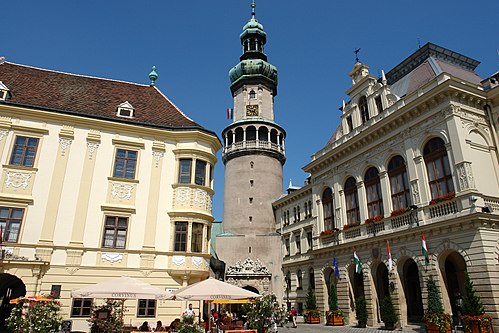
Sopron is a historic city located in western Hungary, near the border with Austria. Known for its well-preserved medieval architecture and charming old town, Sopron is often referred to as the "Jewel of the West." The city has a population of approximately 60,000 residents and serves as a cultural and economic center for the region. Its location at the foothills of the Alps, combined with its strong historical ties to both Hungary and Austria, makes Sopron a unique blend of cultures and traditions. The city has a rich history that dates back to Roman times when it was known as "Scarbantia." Sopron was an important trading hub during the Middle Ages and has played a significant role in Hungary's history, particularly during periods of conflict and change.
One of Sopron's most notable features is its medieval town center, characterized by its narrow streets, historical buildings, and the iconic Firewatch Tower, which dates back to the late 13th century. The city square, Fő tér, is surrounded by baroque and gothic architecture, including the Church of St. Michael and the Goat Church, showcasing the city's architectural diversity. Sopron is also famous for the "Sopron Wine Region," where wine production has flourished for centuries, particularly known for its red wines such as Kékfrankos. The annual Sopron Wine Festival celebrates this legacy, attracting visitors and wine enthusiasts. Additionally, the city is home to several museums, including the Sopron Museum, where visitors can learn about the city's history and cultural heritage, and the State Theatre, which hosts various performances throughout the year.
Today, Sopron is a popular destination for both domestic and international tourists. Its proximity to Vienna, just 60 kilometers away, makes it an appealing choice for day trips and weekend getaways. Outdoor enthusiasts can explore the surrounding Fertő-Hanság National Park, known for its rich biodiversity and scenic landscapes. The city's accessibility, combined with its rich history and cultural offerings, contribute to its status as an attractive location for visitors. Sopron also plays a vital role in the regional economy, with various industries including tourism, viticulture, and small-scale manufacturing. Overall, Sopron reflects a harmonious blend of history, culture, and natural beauty, making it a significant part of Hungary's heritage and a vibrant place to live and visit.
Facts about Sopron
- Sopron is known as 'the most loyal city' (a hű város) because residents voted to remain part of Hungary rather than join Austria during a 1921 plebiscite.
- The city is home to the Firewatch Tower (Tűztorony), a significant medieval landmark that offers panoramic views of Sopron and the surrounding area.
- Sopron hosts the UNESCO-recognized cultural heritage site of the old town, featuring well-preserved medieval and Baroque architecture.
- The city has a unique blend of Hungarian and Austrian cultures due to its proximity to the border, which is reflected in its cuisine, festivals, and traditions.
- Sopron is known for its wine production, particularly the famed Sopron wine (Kékfrankos), which is celebrated within the wine region of the Lösshügel.
- The iconic Esterházy Palace, located in Sopron, was the residence of the notable Esterházy family, known for its influence in Hungarian history.
- Sopron has a rich musical heritage and hosts several music festivals, including the Sopron Wine Festival, which celebrates local wines and culture.
- The city is one of the few places in Hungary with a preserved Roman amphitheater, showcasing its ancient history and significance in Roman times.
- Sopron is a gateway to the scenic Lövő Hills and the Fertő-Hanság National Park, making it a hub for nature lovers and outdoor activities.
- The city is a notable center for art and education, hosting numerous galleries, museums, and a vibrant university population.