Soria, Spain
- 39,528 people
- 10 places to visit
- 41.7664, -2.4791
Places to Visit (10)
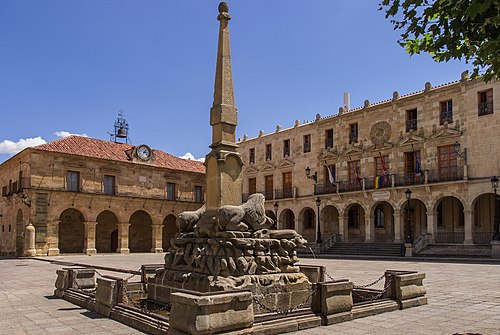
Soria, located in the northeastern part of Spain, is the capital of the province of the same name and is one of the smallest provincial capitals in the country. This historic city sits at an elevation of approximately 1,000 meters, making it one of the highest in Spain, and is known for its rich cultural heritage, charming landscapes, and a slower pace of life. Soria’s history dates back to Roman times, as evidenced by various archaeological remains, including the well-preserved Romanesque architecture of the Church of San Juan de Rabanera and the ruins of the ancient city of Numancia, which played a significant role in the Roman conquest of Iberia.
The city boasts a variety of natural attractions, including lush hills and the surrounding natural park of Cebollera, which draws outdoor enthusiasts year-round. Soria is also famous for its gastronomy, highlighted by unique regional dishes such as "torreznos" (crispy pork belly) and "patatas a la importancia" (potatoes with a traditional preparation). The city's symbolic events, such as the popular festival of San Juan, held in June, reflect its vibrant local culture, drawing both locals and visitors alike. Soria's blend of historical significance, natural beauty, and culinary delights contribute to its unique identity, making it an intriguing destination for those exploring the lesser-known regions of Spain.
Facts about Soria
- Soria is known for having one of the lowest populations of any provincial capital in Spain, giving it a unique small-town charm.
- The city is home to the famous San Esteban Church, a prime example of Romanesque architecture, which dates back to the 12th century.
- Soria is often referred to as the birthplace of the 20th-century Spanish poet Antonio Machado, who is celebrated for his impactful literary contributions.
- The city hosts the annual 'Festival de las Ánimas,' a unique cultural event that blends traditional folklore with modern performances, celebrating the region's history.
- The surrounding region of Soria is known for its rich natural landscapes, including the Sierra de Cebollera Natural Park, which offers stunning views and outdoor activities.
- Soria is intertwined with the history of the Castilian language, as it played a vital role in the evolution of the Spanish language during the medieval period.
- The city is famous for its culinary specialties, particularly 'torreznos' (fried pork belly), which is a local delicacy that sets it apart from other Spanish cuisines.
- Soria has one of the largest collections of Romanesque churches in Spain, making it a significant location for those interested in medieval art and architecture.
- It is also known as the land of wolves, with the nearby wilderness being home to one of the largest populations of Iberian wolves in Spain.
- The city features the picturesque 'Duero River,' which offers scenic walks and has been an important part of Soria's history and development.