Sorocaba, Brazil
- 687,357 people
- 14 places to visit
- -23.4709, -47.4851
Places to Visit (14)
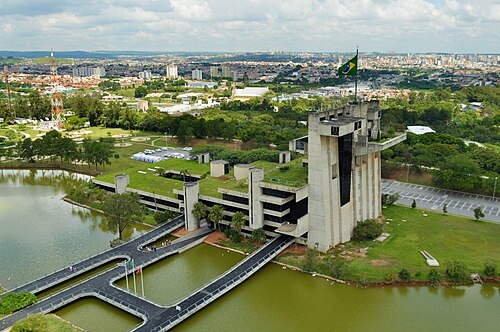
Sorocaba is a vibrant city located in the state of São Paulo, Brazil. Situated approximately 100 kilometers (62 miles) northwest of the capital, São Paulo city, Sorocaba is known for its significant historical, cultural, and economic contributions to the region. Founded in 1654, the city initially grew around its strategic position on the route of the bandeirantes, explorers and fortune-seekers who played a crucial role in the interior exploration of Brazil. Over the centuries, Sorocaba has developed into an important industrial hub, hosting various manufacturing sectors, including textiles, automotive, and electronics, which have attracted a diverse workforce.
Sorocaba boasts a rich cultural heritage, evidenced by its numerous historical landmarks and institutions. Notable sites include the Cathedral of Sorocaba, built in the 19th century, and the Municipal Museum, which showcases the city's history and artistic achievements. The Parque Natural Municipal da Água Vermelha and Parque dos Espanhóis are examples of the city's commitment to preserving green spaces, providing residents and visitors alike with recreational opportunities. Sorocaba is also known for its vibrant arts scene, featuring numerous cultural events, festivals, and theaters that celebrate local talent. Additionally, education plays a vital role in the city's development, with several universities and technical institutes supporting a skilled workforce.
The economy of Sorocaba is diverse and robust, bolstered by its industrial production, trade, and services. The city has been recognized for its quality of life, evidenced in various rankings that measure factors like public services, safety, and urban infrastructure. As Sorocaba continues to evolve, it remains an essential part of the Greater São Paulo metropolitan area, contributing to the region's overall growth and development. Through modernization and investment in infrastructure, the city aims to sustain its economic progress while preserving its cultural identity, making it an attractive destination for both residents and investors.
Facts about Sorocaba
- Sorocaba is known for its rich historical heritage, with origins dating back to the 17th century, making it one of the older settlements in the state of São Paulo.
- The city is famous for its unique architectural landmarks, including the Monastery of São Bento and the Church of Nossa Senhora da Ponte, which reflect its colonial past.
- Sorocaba has a significant industrial base and is recognized as a major economic hub in the region, known for its manufacturing and technology sectors.
- The Sorocaba Railway, inaugurated in 1875, was one of the first railways in Brazil, playing a crucial role in the region's economic development.
- Every four years, the International Festival of Lights (Festa Internacional de Luz) is celebrated in Sorocaba, attracting visitors with its stunning light displays and cultural performances.
- The Sorocaba River, which runs through the city, is not only a beautiful natural feature but also has historical significance, being a critical transportation route in the past.
- Sorocaba is known for its vibrant park system, including the popular Parque Natural Municipal da Água Vermelha, which offers a variety of outdoor recreational activities.
- The city hosts the 'Parque Zoológico de Sorocaba', one of the largest zoos in the state, which is dedicated to conservation and education about wildlife.
- In terms of sports, Sorocaba has a strong tradition in futsal, home to the renowned Sorocaba Futsal team, which has won multiple national championships.
- Sorocaba has been recognized for its high quality of life, with investments in education, healthcare, and urban development setting it apart from many other Brazilian cities.