Sorong, Indonesia
- 254,294 people
- 9 places to visit
- -0.8762, 131.2558
Places to Visit (9)
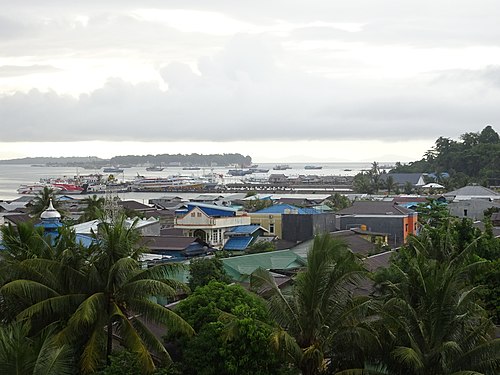
Sorong is a coastal city located in the western part of New Guinea, Indonesia. It serves as the capital of the Sorong Regency and is situated in the West Papua province. Established in the late 19th century, Sorong has grown from a small fishing village into a bustling urban center. The city is strategically positioned at the entrance of the Raja Ampat archipelago, a renowned destination for diving and marine biodiversity. Sorong's population is diverse, comprising various ethnic groups including the indigenous Papuans, as well as migrants from other parts of Indonesia.
The economy of Sorong is primarily driven by trade, agriculture, and tourism. As a gateway to the Raja Ampat Islands, the city serves as a vital hub for tourists seeking to explore the stunning coral reefs and pristine waters of the area. Local markets bustle with activity, showcasing a variety of goods from fish and fruits to handicrafts, reflecting the vibrant culture of the region. In recent years, Sorong has experienced rapid development, with improvements in infrastructure such as roads, telecommunications, and transportation facilities. Despite its growth, the city still faces challenges, including environmental concerns related to deforestation and the impacts of tourism on local ecosystems.
Sorong is also home to several educational institutions and healthcare facilities, which serve both the local community and surrounding areas. The city's cultural landscape is enriched by traditional music, dance, and festivals, celebrating the heritage of its diverse population. With its beautiful coastal scenery, rich biodiversity, and unique cultural blend, Sorong holds a prominent place in West Papua, drawing attention as a significant urban center in Indonesia's eastern archipelago. As the city continues to develop, it remains committed to balancing modernization with the preservation of its natural resources and cultural identity.
Facts about Sorong
- Sorong is often referred to as the gateway to the Raja Ampat Islands, a world-famous diving and eco-tourism destination known for its stunning marine biodiversity.
- The city has a unique historical background as it was once the capital of the Dutch-controlled trade region in the early 1900s, contributing significantly to the spice trade.
- Sorong is home to the largest population of the indigenous Biak people, who have a rich cultural heritage and are known for their traditional music and dance.
- The city features the massive Sorong Harbor, which serves as a crucial shipping and transportation hub for both commercial and passenger travel within the region.
- Sorong has a distinct blend of cultures, embracing Papuan indigenous traditions alongside influences from various migrant communities, including Javanese and Bugis.
- The city hosts the annual Sorong Marine Festival, celebrating local marine culture and promoting awareness of marine conservation issues.
- Sorong is strategically located closer to the equator than most Indonesian cities, which contributes to its diverse flora and fauna.
- The natural landscape surrounding Sorong includes stunning beaches, lush rainforests, and dramatic coral reefs, attracting eco-tourists and adventure seekers.
- As a growing industrial center, Sorong has developed rapidly, with new investments in the oil and gas sector, leading to economic growth in the region.
- The local cuisine in Sorong features unique dishes that fuse traditional Papuan ingredients with flavors from other Indonesian regions, highlighting the city's multicultural influences.