Sōsa, Japan
- 35,674 people
- 3 places to visit
- 35.7154, 140.5531
Places to Visit (3)
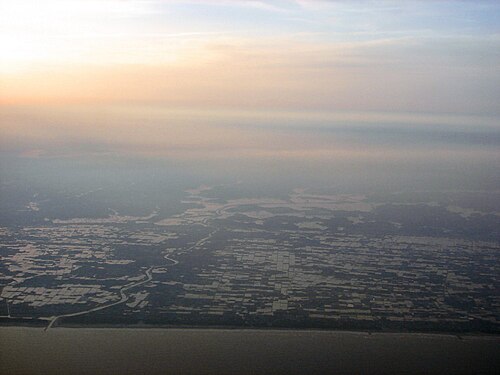
Sōsa is a city located in Chiba Prefecture, Japan, positioned along the coastline of the Pacific Ocean. As of October 2023, it has a population of approximately 60,000 residents. Sōsa covers an area of around 60.24 square kilometers and is part of the broader Narita metropolitan area. The city's geographical advantages include its proximity to major transportation routes, such as the Narita Express train service, which links it to Narita International Airport, making it accessible to both domestic and international travelers. Sōsa is characterized by its coastal environment, featuring beautiful beaches and a mild climate, which has contributed to its development as a residential area and tourist destination.
Historically, Sōsa has roots dating back to the Edo period, during which it was known for agriculture and fishing. The city has retained much of its historical charm, with several traditional temples and shrines, such as the Katori Shrine, which is one of the oldest in the area. Economic activities in Sōsa are diverse, ranging from agriculture to small-scale manufacturing, with seafood processing being particularly prominent due to its coastal location. The city also hosts several annual events, including local festivals that celebrate its cultural heritage and community spirit. Additionally, Sōsa has invested in modern infrastructure, including parks and recreational facilities, enhancing the quality of life for its residents. With a blend of natural beauty, cultural significance, and growing urban development, Sōsa represents a unique aspect of contemporary life in Japan.
Facts about Sōsa
- Sōsa is known for its rich agricultural land, particularly famous for its production of high-quality rice, which is a staple in Japanese cuisine.
- The city of Sōsa is home to the Sōsa City Historical Museum, which houses artifacts and exhibitions related to the area's history, providing insights into the local culture and traditions.
- Sōsa has significant ties to fisheries and aquaculture, with a focus on sustainable practices and local seafood markets that attract both residents and tourists.
- The city features the Katori Shrine, one of the oldest shinto shrines in the region, which dates back over 2,600 years and attracts many visitors for its historic significance and spiritual value.
- Sōsa is located on the Boso Peninsula, providing unique coastal scenery and beach access, distinguishing it from many inland cities in Japan.
- The city hosts the Sōsa Gion Matsuri, an annual festival that celebrates local culture with traditional performances, food stalls, and colorful processions, drawing participants from across the region.
- Sōsa is known for its proximity to Narita International Airport, making it a convenient location for travelers looking for a quieter alternative to the bustling city of Narita itself.
- Sōsa has implemented several eco-friendly initiatives, including community-led clean-up events and the promotion of green spaces, setting it apart as an environmentally conscious city.
- The city celebrates its history with the Sōsa Historical Cityscape Preservation project, which aims to maintain and restore traditional buildings and streetscapes, preserving the charm of the area.
- Sōsa is also noted for its seasonal festivals celebrating the cherry blossoms, which are a significant aspect of Japanese culture, attracting visitors to enjoy hanami, or flower viewing.