Sosnowiec, Poland
- 227,295 people
- 17 places to visit
- 50.278, 19.1268
Places to Visit (17)
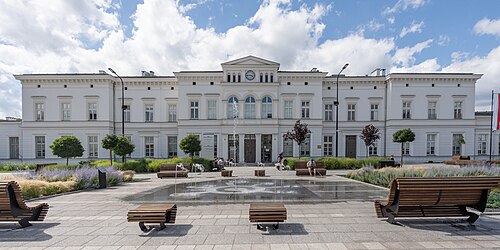
Sosnowiec is a city located in the southern part of Poland, in the Silesian Voivodeship. It is part of the Upper Silesian Industrial Region and lies just north of the historic city of Katowice. As of 2021, Sosnowiec has a population of approximately 200,000 residents, making it one of the larger cities in the region. The city has a rich industrial past, primarily known for its coal mining and steel production. Founded in the late 18th century, Sosnowiec initially grew as an important center for the iron and steel industries, which played a significant role in the economic development of Silesia during the 19th and early 20th centuries.
Sosnowiec is characterized by its diverse architecture, a mix of historical and modern buildings. Notable landmarks include the Church of St. Thomas and the historic railway station, which reflects the city's industrial heritage. The city is also home to numerous parks and green spaces, offering recreational opportunities for residents and visitors alike. In recent years, Sosnowiec has made efforts to revitalize its economy by attracting new investments and promoting development projects. As part of this effort, the city has endeavored to enhance its cultural offerings, including theaters, museums, and galleries, thus fostering a more vibrant urban environment.
Sosnowiec's location provides strategic advantages, being well-connected to other major cities in Poland and neighboring countries. The city is served by an extensive public transportation system, including buses and trams, which facilitate easy access to Katowice and other surrounding areas. Additionally, Sosnowiec is an educational hub, hosting various institutions of higher learning that contribute to research and innovation within the region. The blend of its industrial history, educational institutions, and cultural initiatives positions Sosnowiec as a city in transition, striving to balance its historical identity with a modern, forward-looking approach to urban development.
Facts about Sosnowiec
- Sosnowiec is recognized as part of Upper Silesia, a region known for its rich industrial history and significant coal mining activities.
- The city is home to the unique Sosnowiec Castle, which dates back to the 14th century and is one of the few historical castles in the area.
- Sosnowiec hosted the first Polish national trade fair in 1925, showcasing its early role in promoting Polish industry and commerce.
- The city is known for its extensive and well-preserved parks, including the beautiful Park Sielecki, which features scenic landscapes and historical structures.
- Sosnowiec has a vibrant cultural scene, hosting events like the 'Sosnowiec Summer Cultural Festival' that features music, art, and local cuisine.
- The city is significant for its Jewish heritage, with the Jewish Cemetery of Sosnowiec being one of the largest in Poland, reflecting the rich Jewish history prior to World War II.
- Sosnowiec is famous for its unique architectural style, with a blend of neoclassical, modernist, and functionalist buildings, standing out from other Polish cities.
- The city has a strong sporting culture and is home to the Zagłębie Sosnowiec sports club, which has competed in various professional sports including football and ice hockey.
- Sosnowiec is strategically located at the intersection of major transport routes, making it an important hub for commerce and logistics in southern Poland.
- The city is known for its educational institutions, including the Academy of Physical Education, contributing significantly to sports science and education in the region.