Sousse, Tunisia
- 164,123 people
- 10 places to visit
- 35.8245, 10.6346
Places to Visit (10)
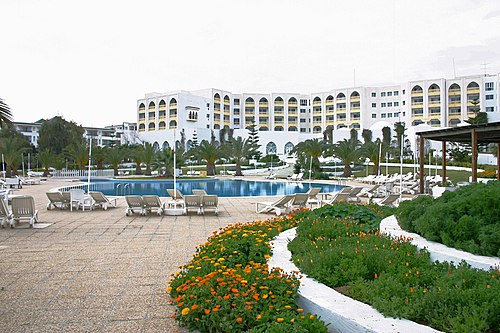
Sousse is a vibrant coastal city located in the eastern part of Tunisia, along the Mediterranean Sea. It is the capital of the Sousse Governorate and one of the country's most important economic and tourist hubs. Founded by the Phoenicians in the 9th century BC, Sousse has a rich history that reflects various cultural influences, including Roman, Arab, and French. The city is renowned for its well-preserved medina, a UNESCO World Heritage site, characterized by narrow winding streets, traditional souks (markets), and impressive historical architecture. Notable landmarks include the Ribat of Sousse, a fortified monastery built in the 8th century, and the Great Mosque of Sousse, which showcases exquisite Islamic architecture.
Sousse is also famous for its beautiful beaches and modern resort developments, attracting visitors from around the world. The city's economy is heavily reliant on tourism, with various hotels, restaurants, and entertainment options catering to international travelers. Additionally, Sousse plays a significant role in Tunisia's agricultural sector, particularly in the production of olive oil and other local goods. The city's proximity to the bustling capital of Tunis and other historical sites, such as the ancient city of Carthage and the amphitheater of El Jem, enhances its appeal as a destination for cultural and historical exploration. Sousse continues to evolve while preserving its historical identity, making it a captivating blend of the old and new in Tunisia.
Facts about Sousse
- Sousse is home to the UNESCO World Heritage Site of the Medina of Sousse, known for its unique blend of Islamic and Mediterranean architecture.
- The Ribat of Sousse, a historic coastal fortification, is one of the oldest and most well-preserved ribats in Tunisia, dating back to the 8th century.
- Sousse has a vibrant cultural scene, hosting the International Festival of Sousse each summer, which features music, theater, and other artistic performances.
- The city is known for its significant archaeological sites, including the Sousse Archaeological Museum, which houses a collection of Roman mosaics and artifacts.
- Sousse is considered one of Tunisia's most important economic centers, especially in the tourism sector, with its beautiful Mediterranean beaches attracting visitors from around the world.
- The town’s medina features a distinctive style of intricate tile work and vibrant colors, setting it apart from other Tunisian towns.
- Sousse is strategically located along the Tunisian coast, making it an essential port city historically for trade and commerce.
- The Great Mosque of Sousse, built in the 9th century, is one of the oldest mosques in the region and is known for its impressive minaret and architectural beauty.
- The city has a rich history of being a hub for the production of wine and olives, which is reflected in local cuisine and traditions.
- Sousse serves as a picturesque gateway to explore other historical sites in Tunisia, such as the ancient city of Kairouan and the Medinat Alzahra ruins.