South San Francisco CA, United States
- 67,271 people
- 18 places to visit
- 37.6547, -122.4077
Places to Visit (18)
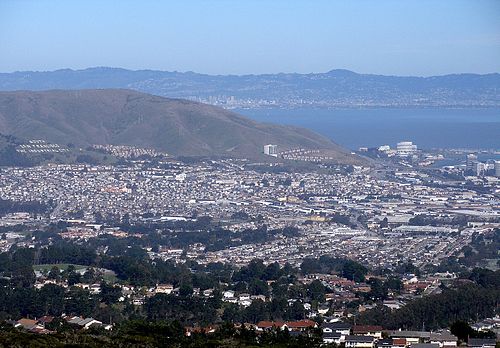
South San Francisco, California, is a city located on the San Francisco Peninsula in San Mateo County, just south of the city of San Francisco. Established in the early 1900s, it has grown from a small settlement into a vibrant community and key industrial hub. Incorporated in 1908, South San Francisco is known for its strong historical ties to the early agricultural development of the region and its later transformation into a center for biotechnology and bioengineering industries. The city’s unique location, with views of the San Francisco Bay to the east and the Pacific Ocean to the west, provides a picturesque backdrop that has attracted residents and businesses alike.
With a population of approximately 66,000 residents, South San Francisco offers a diverse and inclusive community. The city hosts a variety of annual events, promoting cultural activities and community engagement. South San Francisco is often recognized for its iconic skyline, highlighted by the prominent sign "South San Francisco The Industrial City," which stands as a testament to its industrial roots. The city’s well-planned residential neighborhoods, parks, and recreational facilities provide a high quality of life for its inhabitants. Striking a balance between urban and suburban living, South San Francisco features a robust transportation network, including access to major highways and public transit options such as BART (Bay Area Rapid Transit), connecting residents to the broader Bay Area.
Economically, South San Francisco is distinguished by its thriving biotech sector, with several leading companies in the pharmaceutical and life sciences fields headquartered here. The city also fosters a variety of businesses, from retail to hospitality, contributing to a diverse local economy. Additionally, South San Francisco is home to several parks and outdoor spaces, including the scenic San Bruno Mountain State Park, which offers hiking trails and panoramic views of the surrounding landscape. With its strategic location, rich history, and commitment to innovation, South San Francisco continues to evolve while preserving the charm and character that define this dynamic city.
Facts about South San Francisco
- South San Francisco is known as the 'Industrial City' because of its historical development around manufacturing and commerce, unlike many other Californian cities that are more tourist-oriented.
- The city is home to the world's largest building dedicated to the biopharmaceutical sector, the Genentech headquarters, highlighting its significance in the biotechnology industry.
- South San Francisco was the first city to incorporate in San Mateo County, achieving this status in 1908, which distinguishes it from many nearby communities.
- The city features the South San Francisco Conference Center, a notable venue for various events that emphasizes its role as a hub for business meetings and conferences.
- South San Francisco hosts the annual 'Dawn to Dusk' event, a citywide celebration that includes numerous activities, making it a unique community experience compared to other local festivities.
- The city is responsible for the establishment of one of the first municipal airports in the U.S. in 1930, which eventually evolved to become part of the San Francisco International Airport.
- South San Francisco has a vibrant sign on its hillside that reads 'South San Francisco The Industrial City,' distinguishing the city with a unique and iconic landmark visible from various locations.
- In terms of cultural diversity, South San Francisco has a rich heritage, with significant populations of Filipino, Hispanic, and Asian communities contributing to its multicultural landscape.
- The city is involved in various environmental initiatives, including the South San Francisco Eco-Action Committee, promoting sustainability in ways not commonly found in other suburban areas.
- South San Francisco's proximity to San Francisco allows residents to enjoy the amenities of the city while maintaining its distinct suburban character, a balance often sought but rarely achieved in other regions.