Soweto, South Africa
- 1,695,047 people
- 12 places to visit
- -26.2485, 27.854
Places to Visit (12)
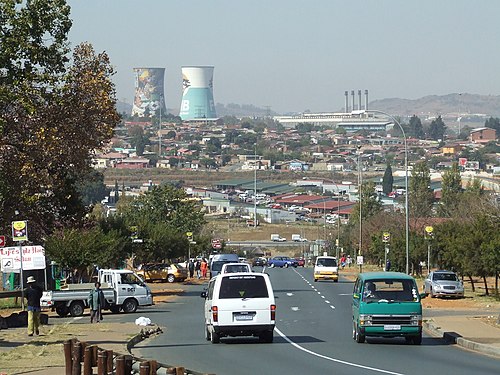
Soweto, an acronym for "South Western Townships," is a vibrant and historically significant urban area located southwest of Johannesburg, South Africa. Established in the early 20th century as a result of apartheid policies, Soweto emerged as a hub for black South Africans who were forcibly removed from their homes in designated white areas. The township encompasses various neighborhoods, each with its own unique character and history. Among its most notable sites is Vilakazi Street, famous for being the only street in the world to have housed two Nobel Laureates: Archbishop Desmond Tutu and President Nelson Mandela. This rich historical backdrop has made Soweto a focal point for tourism and cultural exploration.
Over the decades, Soweto has undergone significant transformation, evolving from a symbol of oppression to a beacon of resilience and cultural identity. The township played a pivotal role in the anti-apartheid movement, particularly during the 1976 Soweto Uprising, when thousands of students protested against the imposition of Afrikaans as the medium of instruction in schools. The protests resulted in brutal crackdowns by security forces, drawing international attention and condemnation. Today, Soweto is renowned for its vibrant arts scene, diverse cultural expressions, and a strong sense of community. The township hosts numerous events and attractions, including the Soweto Gospel Choir, the Hector Pieterson Memorial, and busy markets, which showcase local crafts and cuisine. Despite challenges such as poverty and unemployment, Soweto continues to thrive, exemplifying the resilience of its residents and the rich tapestry of South Africa's history.
Facts about Soweto
- Soweto is short for 'South Western Townships' and was established as a segregated area during the apartheid era in South Africa.
- It is home to the iconic Vilakazi Street, which is the only street in the world to have been the residence of two Nobel Prize winners: Nelson Mandela and Archbishop Desmond Tutu.
- Soweto was the site of the 1976 Soweto Uprising, a pivotal event in the struggle against apartheid, where students protested against the use of Afrikaans in schools.
- The Hector Pieterson Memorial in Soweto commemorates the first student killed during the Soweto Uprising and serves as a significant historical landmark.
- Soweto has a vibrant musical heritage, being the birthplace of genres such as kwaito and is known for its lively cultural scene, including the annual Soweto Gospel Choir performances.
- The iconic Orlando Towers, once a coal-fired power plant, have been transformed into an adventure sports venue featuring bungee jumping and other extreme sports.
- Soweto boasts one of the largest urban farms in the world, the Soweto Urban Agriculture Initiative, which promotes food security and local farming.
- The Taxi Wars in the late 1980s and early 1990s, which were conflicts over transport domination in Soweto, shaped the public transport landscape in South Africa.
- Soweto is an important center for political activism and community organization, playing a crucial role in the anti-apartheid movement.
- The area is also known for its informal settlements and rich community life, with vibrant street markets and local arts and crafts reflecting the resilience and culture of its residents.