Spalding, United Kingdom
- 31,588 people
- 13 places to visit
- 52.7901, -0.1537
Places to Visit (13)
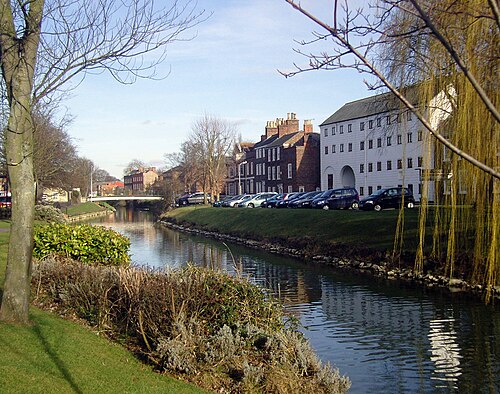
Spalding is a market town located in the South Holland district of Lincolnshire, England. Situated roughly 30 miles south of Lincoln and about 90 miles north of London, Spalding serves as the administrative center for the surrounding area. Its history dates back to the medieval period, with significant development occurring in the 13th century when it was granted a market charter. The town's layout reflects its historical significance, featuring a central market square and a range of well-preserved buildings that showcase various architectural styles, including Victorian and Georgian designs.
Spalding is renowned for its agricultural heritage, particularly in the cultivation of flowers and bulbs, a tradition that has flourished due to the town's favorable climate and fertile soil. The area's horticultural industry attracts visitors, especially during the annual Spalding Flower Parade, which celebrates the vibrant floral displays produced in the region. Additionally, the town benefits from its proximity to the River Welland, which has historically provided trade routes and water management for the surrounding agricultural land. This connection to the river has also played a role in the growth of local businesses and tourism, as the waterways are popular for recreational activities such as boating and fishing.
As of the latest census data, Spalding has a population of approximately 30,000 residents. The town features various amenities, including shops, restaurants, and recreational facilities, contributing to its status as a community hub in South Lincolnshire. Education is supported by several primary and secondary schools, as well as a further education college, ensuring residents have access to quality learning opportunities. Spalding's transport links are facilitated by the A16 road, providing direct routes to nearby cities, and its railway station offers connections to Peterborough and Boston, enhancing the town's accessibility. Overall, Spalding combines a rich historical heritage with a thriving modern community, making it a notable destination within the UK.
Facts about Spalding
- Spalding is known for its rich agricultural history, particularly in the production of tulips and spring flowers, which has earned the town the title of 'The Tulip Town' of the UK.
- The Spalding Flower Parade, which started in 1965, is a unique annual event showcasing stunning flower-covered floats and celebrating the town's floral heritage.
- The town is home to the historic St. Mary's Church, which features a famous 14th-century tower and remarkable stained glass windows, representing significant architectural history in the region.
- Spalding has a distinctive network of waterways and is situated at the intersection of the River Welland and the River Glen, contributing to its local economy and recreation areas.
- The Spalding and South Holland Market, held regularly in the town center, is one of the largest markets in the region, offering a variety of local produce and goods.
- In the vicinity of Spalding, you can find the unique 'North Level Main Drain,' an engineering feat that helps manage drainage in the fens and reflects the town’s agricultural focus.
- In 2017, Spalding was named a 'Fairtrade Town,' promoting fair trade practices and sustainability in local commerce.
- The town hosts the annual 'Spalding Pumpkin Festival,' which features giant pumpkins and agricultural displays, underscoring its connection to farming.
- The Lincolnshire Poacher, a traditional cheese that originated from the region, is popular in Spalding and contributes to local culinary offerings.
- Spalding's proximity to attractions like the Baytree Garden Centre and the nearby historic town of Boston makes it a gateway for tourists exploring the Lincolnshire area.