Speke, United Kingdom
- 21,403 people
- 15 places to visit
- 53.3423, -2.8513
Places to Visit (15)
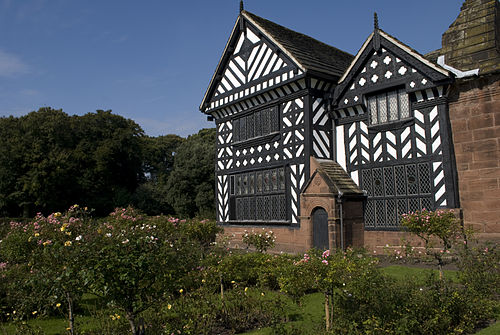
Speke is a suburb located in the Metropolitan Borough of Liverpool, in Merseyside, England, United Kingdom. Situated approximately six miles southeast of Liverpool city center, Speke is part of the wider urban area that includes parts of Runcorn and Widnes across the River Mersey. Historically, Speke was a small village until the 20th century when it began to expand rapidly due to industrialization and the demand for housing. Speke's development was significantly influenced by the establishment of Liverpool John Lennon Airport, which opened in 1939 as an airport for commercial flights, contributing to the area’s economic growth and making it a vital transportation hub.
Speke features a mix of residential, industrial, and commercial zones. The suburb is home to various facilities, including schools, shops, and parks, catering to the local community. Speke Hall, a Tudor mansion managed by the National Trust, is one of the area’s historical landmarks. The hall is surrounded by beautiful gardens and is a prime example of late Medieval architecture, reflecting the township's rich heritage. The local economy has transformed over the years, with significant contributions from the aerospace and automotive industries, particularly with the presence of major companies like Airbus and Jaguar Land Rover nearby. The access to major motorways has further facilitated Speke's economic development, enhancing connections with other urban centers.
Additionally, Speke has seen considerable regeneration projects aimed at improving infrastructure, housing, and community amenities, which have been crucial in enhancing the quality of life for its residents. The combination of its historical significance, ongoing development, and strategic geographic position makes Speke a notable part of the Liverpool metropolitan area. The suburb attracts a diverse population and continues to evolve, balancing its historical roots with modern urban demands.
Facts about Speke
- Speke was historically part of the county of Lancashire before becoming a part of Liverpool in 1904.
- The area is closely associated with the aviation industry; Speke is home to the Liverpool John Lennon Airport, which is named after the famous Beatle.
- Speke's history is intertwined with the development of the local coal and textile industries during the Industrial Revolution.
- The Speke Garston Coastal Reserve is a notable natural area featuring unique ecosystems and diverse wildlife, contributing to the region's biodiversity.
- Speke is known for the iconic Speke Hall, a Tudor manor house built in 1530, which is now a National Trust property and a popular tourist attraction.
- In recent years, Speke has undergone significant regeneration, including the creation of new housing and community facilities, distinguishing it from other suburbs in Liverpool.
- The local community celebrates the annual Speke Festival, which showcases local talent, food, and cultural diversity.
- Speke is well-connected by transport, with easy access to major motorways and train services, making it an ideal location for commuters to Liverpool and beyond.
- The area hosts several large industrial estates, contributing to its identity as a hub for logistics and manufacturing.
- Speke retains a strong sense of community and local identity, which is reflected in its various grassroots initiatives and local sports clubs.