Spennymoor, United Kingdom
- 17,766 people
- 15 places to visit
- 54.6977, -1.5855
Places to Visit (15)
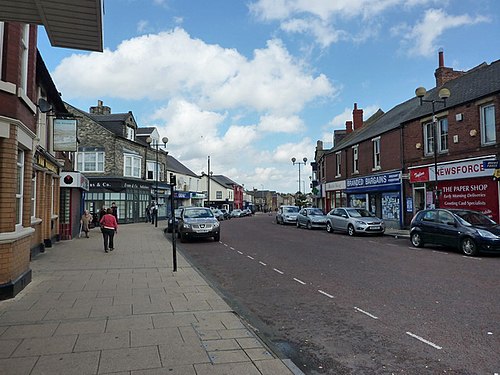
Spennymoor is a town in County Durham, England, situated approximately five miles southwest of the city of Durham. Historically a coal mining town, it emerged during the 19th century as a significant center for coal production, reflecting the broader industrial growth of the region. The town's development was closely tied to the establishment of the North East coalfields, where Spennymoor’s collieries were an essential aspect of the local economy, employing a large portion of its population. The decline of coal mining in the late 20th century had a profound impact on Spennymoor, causing economic challenges as well as prompting transitions toward other forms of employment and development.
In recent years, Spennymoor has sought to rebrand itself by diversifying its economic base and enhancing its community facilities. The town has highlighted its historical significance and cultural heritage through various initiatives, such as promoting local arts and hosting community events. One notable landmark is the Spennymoor Town Hall, a prominent feature in the town center which has been utilized for community events and social gatherings. The town also has several parks and green spaces, contributing to its appeal as a residential area. With a mix of historical context and a focus on community development, Spennymoor is working to build a vibrant identity while preserving its past.
Facts about Spennymoor
- Spennymoor is known for its historic connection to coal mining, with a significant mining community that played a vital role in the Industrial Revolution.
- The town is home to the Spennymoor Town Hall, a notable example of Edwardian architecture, which now serves as a community hub and venue for events.
- Spennymoor's 'The Tunstall' was once a famous winner of the 'Best Tavern' award at the British Pub Awards, reflecting the town's vibrant social scene.
- The town is closely associated with the Spennymoor United Football Club, which has a rich history and was a founding member of the Northern League in 1889.
- Spennymoor features the historic 'Oak Leaf Sports Complex', providing a range of recreational facilities, including a leisure center and sports pitches.
- The town hosts the annual Spennymoor Folk Festival, attracting musicians and visitors, significantly contributing to the local arts scene.
- Spennymoor is unique for its proximity to the historic landscape of the Durham Dales and is often a starting point for exploring the North Pennines Area of Outstanding Natural Beauty.
- The town is famous for the nearby 'The Bullion', a local landmark and former lead smelting works, emphasizing its industrial heritage.
- Spennymoor's community spirit is exemplified by the Spennymoor Town Council's active involvement in local initiatives and events, fostering a strong sense of identity.
- The town has produced notable individuals such as actor and playwright John Godber, who are celebrated for their contributions to British theatre.