Spijkenisse, Netherlands
- 74,988 people
- 15 places to visit
- 51.8562, 4.2972
Places to Visit (15)
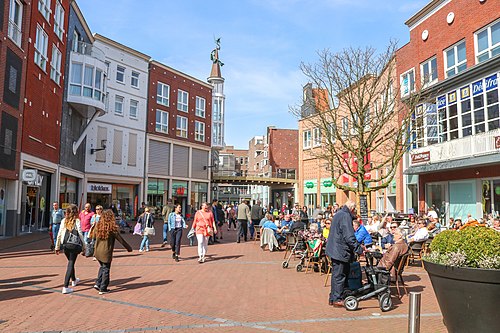
Spijkenisse is a town and municipality located in the province of South Holland in the Netherlands. Situated on the western banks of the River Oude Maas, it is part of the Rotterdam metropolitan area, about 15 kilometers northeast of the city center of Rotterdam. The town has a rich history that dates back to the late Middle Ages, but it experienced significant growth in the mid-20th century as part of post-war urban development. The population of Spijkenisse has increased substantially from just over 10,000 in the early 1960s to approximately 70,000 residents today. This growth was driven by its strategic location and the expansion of residential neighborhoods to accommodate the increasing number of people moving from urban centers.
Spijkenisse features a combination of modern residential areas, commercial zones, and green spaces. The town has a well-developed infrastructure, including schools, healthcare facilities, and recreational amenities, making it an attractive place for families. The heart of Spijkenisse is its shopping center, which includes various shops, restaurants, and service providers. Additionally, the town offers sporting facilities, parks, and cultural activities, enhancing the quality of life for its residents. Spijkenisse is also known for its commitment to sustainability and environmental preservation, actively promoting cycling and public transportation to reduce carbon emissions.
The local government and community initiatives focus on maintaining a high standard of living while fostering economic growth. The surrounding region is characterized by thriving industries and businesses that benefit from Spijkenisse's accessibility to Rotterdam's ports and transport networks. This geographical advantage contributes to the town's economic stability and offers residents diverse employment opportunities. Furthermore, Spijkenisse is actively working on urban development projects aimed at enhancing public spaces and integrating more sustainable practices into daily life. With its blend of historical significance, modern amenities, and a vision for the future, Spijkenisse exemplifies the dynamic nature of contemporary Dutch towns.
Facts about Spijkenisse
- Spijkenisse was granted city rights in 1967, making it one of the newest cities in the Netherlands.
- The city has a significant industrial background, which was pivotal in its development during the post-World War II period.
- Spijkenisse is known for its waterfront developments along the Spijkenisser Ijssel, contributing to a unique blend of urban and natural environments.
- The city features the Omnium, a modern leisure and wellness center that includes a swimming pool, fitness facilities, and other recreational options.
- Spijkenisse has a strong focus on sustainability, with various initiatives aimed at promoting green energy and eco-friendly practices.
- The Spijkenisse Cultural Complex includes theaters, museums, and art galleries, highlighting local artistic talents and cultural events.
- The annual Spijkenisse Fair attracts thousands of visitors with a variety of local food, entertainment, and market stalls, showcasing the city's community spirit.
- The city is well-connected by public transport, including the Spijkenisse metro station, which is a vital link to Rotterdam and other nearby areas.
- Spijkenisse has a large percentage of green spaces and parks, making it one of the greener cities in the region, ideal for outdoor activities.
- Historically, Spijkenisse was known for its fishing industry, particularly in eel fishing, which played an important role in its early economy.