Sprockhövel, Germany
- 26,400 people
- 9 places to visit
- 51.364, 7.2469
Places to Visit (9)
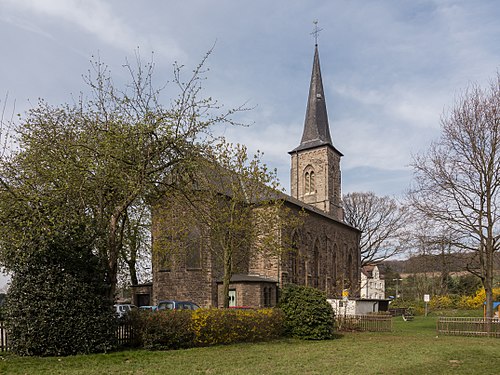
Sprockhövel is a vibrant town located in North Rhine-Westphalia, Germany, primarily known for its picturesque landscape and rich history. Situated in the Ennepe-Ruhr-Kreis district, it lies approximately 30 kilometers northeast of Düsseldorf and about 20 kilometers northwest of Hagen. The town is characterized by a blend of urban and rural environments, featuring charming historic buildings alongside modern amenities. Sprockhövel has a population of around 20,000 residents, making it a close-knit community with a welcoming atmosphere. Its proximity to major cities provides residents with an easy commute for work while enjoying a tranquil lifestyle.
Historically, Sprockhövel has roots that can be traced back to the early Middle Ages, with its name believed to derive from "Sprock," meaning "branch" in Old German, likely referring to the town's location at a confluence of small rivers and streams. The region has played a significant role in the mining industry, particularly coal mining, during the 19th century, which contributed to its growth and development. Today, Sprockhövel has transitioned into a more diversified economy, with small and medium-sized enterprises becoming the backbone of local commerce. The town offers various recreational activities, including parks and public spaces, which attract visitors and provide leisure opportunities for residents. Cultural events and local festivals further enrich community life, showcasing the traditions and modern lifestyle of Sprockhövel.
Sprockhövel is also well-regarded for its educational institutions, including primary and secondary schools that cater to the needs of its residents. The town emphasizes sustainable living and environmental conservation, as seen in its community efforts toward green spaces and public transportation. With beautiful hiking and biking trails in the surrounding areas, Sprockhövel is an ideal spot for outdoor enthusiasts. The combination of a rich historical background, economic diversification, and a commitment to sustainability makes Sprockhövel a noteworthy destination in the region, balancing heritage with modernity. As it continues to develop, the town remains a hidden gem on the map of North Rhine-Westphalia, appealing to both residents and visitors alike.
Facts about Sprockhövel
- Sprockhövel is located in North Rhine-Westphalia and is part of the Ruhr metropolitan region, known for its industrial heritage.
- The town is famous for its medieval charm, particularly the well-preserved half-timbered houses in its historic district.
- Sprockhövel was first mentioned in historical records in 1276, making it one of the older settlements in the region.
- The city has a unique geographical feature; it is situated on the slopes of the higher Bergisches Land region, offering scenic views and hiking opportunities.
- Sprockhövel is home to the Evangelische Kirche, a notable Protestant church dating back to the 13th century, which showcases distinctive Gothic architecture.
- The town hosts the annual 'Sprockhöveler Stadtfest,' a popular local festival that celebrates community spirit with various activities, music, and local cuisine.
- Sprockhövel boasts a strong emphasis on sustainability and green spaces, featuring several parks and recreational areas for residents and visitors.
- The nearby ruins of the historic castle Hohensyburg offer a glimpse into the region’s feudal past and are a popular local attraction.
- Sprockhövel has a reputation for being a family-friendly city with various educational facilities, parks, and sports clubs catering to residents.
- This city has maintained a balance between preserving its historical heritage and embracing modern development in the face of urbanization.