Śrem, Poland
- 30,404 people
- 7 places to visit
- 52.0887, 17.015
Places to Visit (7)
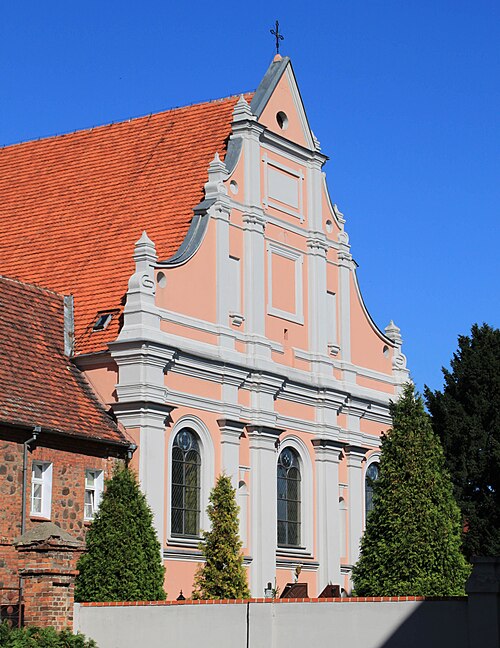
Śrem is a picturesque town situated in the Greater Poland Voivodeship of western Poland. Its historical roots trace back to the early Middle Ages, making it one of the oldest settlements in the region. The town is positioned on the banks of the Warta River, which has played a crucial role in its development over the centuries. With a population of approximately 17,000 residents, Śrem is an important administrative, economic, and cultural center.
The historical core of Śrem is characterized by well-preserved architecture, including the Gothic church of St. Adalbert, which dates back to the 14th century. The town also features a charming market square that reflects its medieval layout, adorned with colorful facades and quaint cafes. Śrem has an array of local attractions, such as the 19th-century town hall and the remnants of the old town walls, which illustrate its rich heritage. The annual events held in the town, such as the Śrem Mint Festival, celebrate local culture and traditions, bringing together both residents and visitors.
Economically, Śrem has evolved from its agrarian roots to incorporate more industrial sectors, with a growing emphasis on small and medium-sized enterprises. The town serves as a regional hub for commerce and trade, benefiting from its location and transportation links. Furthermore, the surrounding landscape offers opportunities for outdoor activities, promoting tourism and enhancing the quality of life for its residents. Overall, Śrem stands as a vibrant community that balances its deep historical significance with contemporary economic growth.
Facts about Śrem
- Śrem is one of the oldest towns in Greater Poland, with a history dating back to at least the 10th century.
- The town is famous for its well-preserved medieval architecture, including the Gothic-style Church of St. Adalbert, which dates back to the 14th century.
- Śrem has a rich tradition of pottery and ceramics, making it distinct in Poland for its artisan crafts, particularly in the region of Greater Poland.
- Every year, Śrem hosts the notable 'St. Adalbert's Fair', a cultural and historical event that celebrates local traditions and attracts visitors from all over Poland.
- The town is located at the confluence of the Warta and Śremka rivers, which plays a significant role in its scenic beauty and historical development.
- Śrem is recognized for its commitment to sustainable development, being one of the first towns in Poland to implement comprehensive recycling programs in the early 2000s.
- The renowned Polish poet and writer, Władysław Reymont, who won the Nobel Prize in Literature, has ties to the city, highlighting its cultural significance.
- Śrem is home to a unique local festival called 'Wet Monday', where traditional water fights and local customs celebrate Polish Easter traditions.
- The town has an extensive network of parks and green spaces, including the beautiful Śrem Park, which provides recreational opportunities for residents and visitors alike.
- Śrem is part of the Greater Poland Voivodeship, ensuring its role as an important economic and cultural hub in the region.