Srikakulam, India
- 118,299 people
- 4 places to visit
- 18.2949, 83.8938
Places to Visit (4)
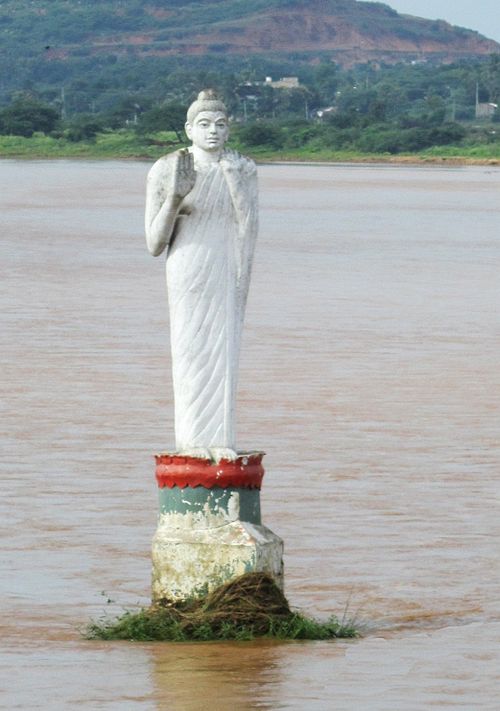
Srikakulam is a city in the Srikakulam district of the Indian state of Andhra Pradesh. Located in the northeastern part of the state, it is bordered by the Bay of Bengal to the east, making it an important coastal hub. The region boasts a rich cultural heritage and is known for its historic temples, traditional art forms, and vibrant festivals. The city serves as a significant administrative and commercial center within the district, contributing to the local economy through agriculture, fishing, and trade. The primary languages spoken in Srikakulam are Telugu, the official language of Andhra Pradesh, and Urdu.
Srikakulam is characterized by its diverse demographic, with a population that includes various communities and religious groups. The city has a blend of urban and rural characteristics, featuring modern facilities along with traditional lifestyles. Notable landmarks in the city include the ancient Srikurmam Temple, dedicated to Lord Vishnu, and the historic temples of Sri Venkateswara and Kotilingeshwara. The city also holds an annual festival celebrating the local deities, which reflects the vibrant cultural tapestry of the region. Srikakulam is well-connected by road and rail, facilitating access to other major cities in Andhra Pradesh, such as Visakhapatnam and Vijayawada, making it an essential transportation node.
The economic landscape of Srikakulam is primarily agrarian, with rice, groundnuts, and sugarcane being the main crops cultivated in the surrounding districts. Fishing also plays a pivotal role in the local economy due to the city's proximity to the Bay of Bengal, where traditional fishing practices thrive. In recent years, there has been a push towards developing the region’s infrastructure, with investments aimed at enhancing connectivity and promoting local industries. Additionally, the government has initiated various schemes to improve education and healthcare services in the area, aiming to uplift the living standards of the residents. Overall, Srikakulam is a city that embodies a mix of tradition and progress, making it a significant part of Andhra Pradesh’s cultural and economic landscape.
Facts about Srikakulam
- Srikakulam is known for its rich history, being a part of the ancient Kalinga kingdom, which is significant in Indian history due to the Kalinga War that influenced Emperor Ashoka's conversion to Buddhism.
- The city is famous for its traditional handloom products, particularly the Srikakulam handloom sarees, which are known for their unique designs and vibrant colors.
- Srikakulam has the ancient Sri Suryanarayana Swamy Temple, dedicated to the Sun God, making it a prominent pilgrimage site in South India.
- The region is home to the Peddaganjam map, a traditional tribal community that is known for its unique customs and practices, distinguishing it from other areas of Andhra Pradesh.
- Srikakulam features beautiful beaches, including Talsari Beach and Baruva Beach, which are less commercialized compared to other beaches in India, offering serene coastal experiences.
- The city hosts the annual 'Srikakulam Utsavalu', a cultural festival that showcases local traditions, arts, and crafts, attracting visitors and promoting local heritage.
- Srikakulam is recognized for its significant agricultural output, particularly in the production of rice and cashew nuts, contributing to the local economy.
- The region's landscape is characterized by its proximity to the Eastern Ghats, offering diverse flora and fauna, which is rare in many urban areas of India.
- Srikakulam has a strong socio-cultural identity, influenced by both Hindu and Buddhist traditions, with many historical sites showcasing this blend.
- The city has been promoting eco-tourism through initiatives aimed at preserving its natural beauty and wildlife, making it distinct from other urban centers in the country.