St Albans, Australia
- 37,629 people
- 13 places to visit
- -37.7442, 144.8
Places to Visit (13)
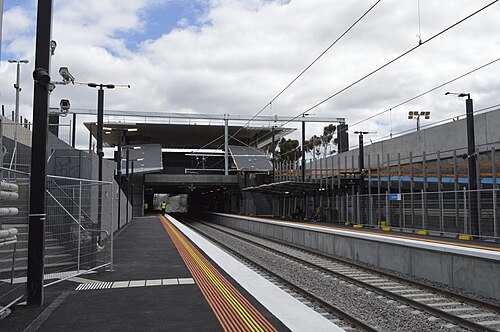
St Albans is a suburb located in the City of Brimbank, Victoria, Australia. Situated approximately 20 kilometers northwest of Melbourne's central business district, it is known for its diverse community and rich history. St Albans was originally part of the larger area used for farming in the mid-19th century, evolving into a residential area as the population grew and more amenities were introduced. The suburb was named after the city of St Albans in Hertfordshire, England, and was officially established in 1856. Over the years, St Albans has transformed into a vibrant multicultural hub, with significant communities of Italian, Greek, Turkish, and Vietnamese residents contributing to its dynamic character.
The suburb features a range of local amenities and transport options that enhance its appeal to residents and visitors alike. St Albans is served by multiple public transport options, including the St Albans train station on the Sunbury line, which provides direct access to Melbourne. The area has a number of schools, parks, and shopping centers, which contribute to its family-friendly atmosphere. Notable landmarks include the St Albans Community Centre and the local library, which serve as important social and educational hubs. The suburb is also home to the popular St Albans Market, which operates on weekends and showcases a variety of fresh produce, crafts, and culinary treats, reflecting the cultural diversity of the area. Through ongoing development and community initiatives, St Albans continues to grow and evolve, making it an attractive place to live, work, and visit in Victoria.
Facts about St Albans
- St Albans is located approximately 20 kilometers northwest of Melbourne and is part of the City of Brimbank.
- The suburb is named after St Albans in Hertfordshire, England, and was first settled during the gold rush era of the 1850s.
- St Albans has a diverse community, with a mix of cultures including significant Vietnamese, Italian, and Greek populations.
- The area features the historic St Albans railway station, which was established in 1889 and is an important transport hub for residents.
- St Albans boasts the picturesque Albert Street, which is lined with heritage-listed buildings, showcasing its historical significance.
- The area is home to the 43-hectare Errington Reserve, a popular recreational space that includes sports facilities and walking paths.
- St Albans hosts the annual St Albans East Primary School Art Show, which is a community-driven event showcasing local artistic talent.
- The suburb features multiple multicultural festivals, including the St Albans Lunar New Year Festival, celebrating the heritage of its residents.
- St Albans is known for its vibrant food scene, including a plethora of Asian supermarkets and restaurants, attracting food lovers from surrounding areas.
- The suburb has a strong commitment to sustainability, exemplified by programs aimed at reducing waste and promoting community gardens.