St Albans, United Kingdom
- 84,561 people
- 18 places to visit
- 51.7527, -0.3394
Places to Visit (18)
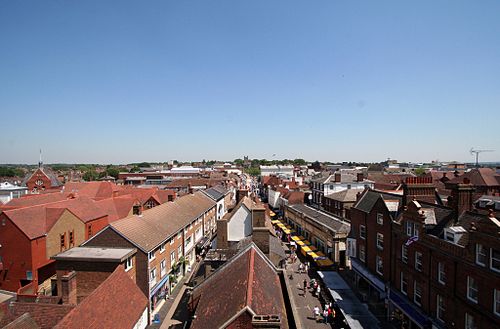
St Albans is a historic city located in Hertfordshire, England, approximately 20 miles north of central London. It is known for its rich Roman heritage, vibrant culture, and picturesque landscapes. The origins of St Albans can be traced back to the Roman settlement of Verulamium, which was an important center during the Roman occupation of Britain. The city is named after St Alban, the first British Christian martyr, and boasts several significant historical landmarks, including St Albans Cathedral, which was originally founded as a Benedictine monastery in the 8th century and serves as a key example of Norman architecture.
Today, St Albans is a bustling urban center that combines the charm of its historical roots with modern amenities. The city features a lively marketplace and a variety of shops, restaurants, and cafes, making it a popular destination for both locals and visitors. Its location offers excellent transport links, including a direct train service to London, enhancing its appeal as a commuter town. St Albans hosts various cultural events and festivals throughout the year, celebrating its diverse community and history. The city is also known for its green spaces, parks, and nearby countryside, making it an attractive place for outdoor activities and leisurely pursuits.
In addition to its historical and cultural significance, St Albans has a thriving economy, with a mix of retail, service industries, and technology businesses contributing to its growth. Educational institutions, including several primary and secondary schools and the University of Hertfordshire nearby, offer a range of learning opportunities. The combination of rich history, community spirit, and modern living continues to draw people to St Albans, which remains a unique and dynamic city within the United Kingdom.
Facts about St Albans
- St Albans is known for being the oldest market town in the United Kingdom, with its market dating back to the 9th century.
- The city is home to the impressive St Albans Cathedral, which is built on the site of a Roman town and features the most complete Roman wall remaining in the UK.
- St Albans was the birthplace of John Bunyan, the author of 'The Pilgrim's Progress', one of the most significant works of English literature.
- In Roman times, St Albans was known as Verulamium, one of the largest cities in Roman Britain, and its archaeological remains are among the most important in the country.
- Every October, St Albans hosts the 'St Albans Film Festival', which is among the UK’s leading independent film festivals.
- St Albans has a rich brewing heritage, being home to the historic brewery, the Record Hall Brewery, which dates back to the 19th century.
- The city is famous for its annual 'St Albans Food and Drink Festival', celebrating the local culinary scene and offering workshops and tastings.
- St Albans has a significant connection to the Hart Family, who were instrumental in starting the UK’s first ever Girl Guide company in 1910.
- The city is home to a unique Victorian clock tower, a notable landmark built in 1403, which serves as a centerpiece of the town.
- St Albans is set in the picturesque Hertfordshire countryside, making it renowned for its green spaces, including Verulamium Park, which houses the remains of Roman ruins.