St. Albert, Canada
- 57,719 people
- 19 places to visit
- 53.6539, -113.6293
Places to Visit (19)
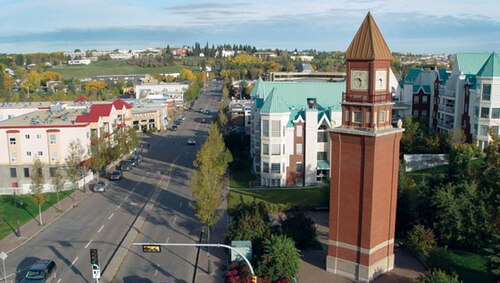
St. Albert is a city located in Alberta, Canada, situated just northwest of Edmonton, the provincial capital. Established as a settlement in 1861 by Father Albert Lacombe, the area has grown from its origins as a small Métis community into a vibrant city known for its rich cultural heritage and natural beauty. St. Albert officially became a town in 1904 and was later designated a city in 1977. With a population of approximately 66,000 residents, it is one of the fastest-growing municipalities in Alberta, reflecting a blend of suburban living and access to urban amenities.
The city boasts a diverse array of parks and natural areas, with the Sturgeon River winding through it, providing scenic views and recreational activities for residents and visitors alike. St. Albert is home to several notable parks, including the picturesque Botanic Park and the stunning Red Willow Park, which offers extensive trails for walking, cycling, and wildlife observation. The city places a strong emphasis on community engagement and cultural activities, hosting numerous festivals and events throughout the year, such as the annual St. Albert International Children's Festival and the St. Albert Farmers' Market, which is one of the largest outdoor farmers' markets in Western Canada.
Culturally, St. Albert has a vibrant arts scene, featuring various galleries, theaters, and performing arts centers. The city's dedication to the arts is exemplified by the St. Albert Place, which houses the Arts and Heritage Foundation and serves as a cultural hub for local residents. The city's education system is well-regarded, with multiple primary and secondary schools, as well as post-secondary options nearby. In addition to education, St. Albert offers a high quality of life with amenities such as shopping centers, dining establishments, and recreational facilities, making it an attractive location for families and professionals. With its combination of history, culture, and community spirit, St. Albert continues to thrive as a dynamic city in the heart of Alberta.
Facts about St. Albert
- St. Albert is known as the 'Botanical Arts City' due to its extensive parks, gardens, and vibrant arts community.
- It is home to the largest farmers' market in Alberta, which operates every Saturday from early May to late October, attracting local vendors and visitors.
- St. Albert was officially incorporated as a city in 1977, but its history dates back to 1861, making it one of the oldest settlements in Alberta.
- The city has a unique 'St. Albert Trail' that runs parallel to the Sturgeon River, featuring walking paths and biking trails that promote outdoor activities.
- St. Albert hosts the annual 'International Children's Festival,' which celebrates creative expression in a variety of artistic forms for children and families.
- The city is known for its commitment to environmental sustainability, being the first municipality in Canada to implement a curbside composting program.
- St. Albert's population is over 66,000, making it one of the largest urban centers in the Edmonton Metropolitan Region.
- The city has a rich Indigenous heritage and is situated on the ancestral lands of the Cree Nation.
- St. Albert is home to the historic 'St. Albert Grain Elevator Park,' which showcases Alberta's agricultural history and features a collection of restored grain elevators.
- The city regularly ranks highly on various quality of life indices, known for its excellent educational institutions, recreational facilities, and community-oriented events.