St Austell, United Kingdom
- 25,447 people
- 18 places to visit
- 50.3404, -4.7834
Places to Visit (18)
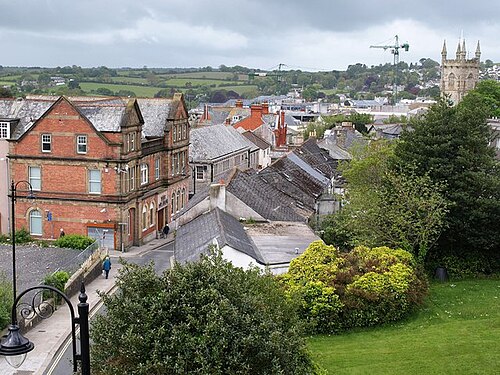
St Austell is a town located in Cornwall, England, renowned for its rich historical significance and vibrant local culture. The town's origins can be traced back to the 10th century, with the name derived from St. Austol, a Breton saint. Historically a tin and clay mining town, St Austell played a pivotal role in the industrial growth of Cornwall. The discovery of kaolinite clay in the 18th century led to the establishment of a thriving china clay industry, which remains a vital part of the town's economy today. The nearby St Austell Bay and the picturesque coastline add to the region's appeal, attracting both tourists and new residents drawn by its scenic beauty and mild climate.
St Austell serves as a hub for several surrounding communities and is well-connected by road and rail. The town features a range of amenities, including shops, restaurants, and schools, catering to both locals and visitors. Key landmarks include the St Austell Brewery, one of the oldest breweries in the UK, established in 1851, and the nearby Eden Project, an acclaimed environmental complex featuring biodomes that house diverse plant species. St Austell is also a gateway to the stunning landscapes of Cornwall, including the picturesque coastal trails and the nearby Lost Gardens of Heligan. The combination of historical significance, economic development, and natural beauty makes St Austell a notable destination in the southwest of England, rich in character and community spirit.
Facts about St Austell
- St Austell is known for its historic clay mining industry, which played a significant role in the town's development during the 19th century.
- The town is home to the Eden Project, a leading ecological attraction featuring massive biomes that house diverse plant species from around the world.
- St Austell's coastline is part of the stunning Cornish landscape, with nearby beaches such as Pentewan and Mevagissey featuring soft sand and clear waters.
- The famous 'Cornish pasty' originated in this region, and St Austell is surrounded by numerous bakeries offering this traditional savory dish.
- St Austell boasts one of the largest breweries in Cornwall, St Austell Brewery, which has been producing beer since 1851 and is well-known for its Tribute Ale.
- The town has a rich literary history, being featured in works by famous authors such as Daphne du Maurier, who frequently drew inspiration from the local scenery.
- The St Austell area has distinct geological features, including the unique China clay pits, which have reshaped the landscape and offer educational tours.
- St Austell is close to the picturesque Lost Gardens of Heligan, one of the most famous restored gardens in the UK, attracting thousands of visitors each year.
- The town is located on the South West Coast Path, providing stunning hiking opportunities along the coast, connecting it to various local villages and attractions.
- St Austell has a strong artistic community, supported by various galleries and festivals, with local artists capturing the beauty of Cornwall through various mediums.