Stadthagen, Germany
- 23,076 people
- 12 places to visit
- 52.3231, 9.1926
Places to Visit (12)
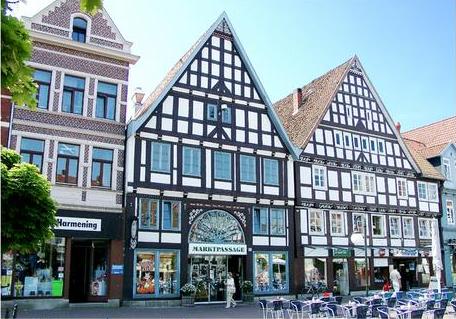
Stadthagen is a charming town located in the Schaumburg district of Lower Saxony, Germany. Situated approximately 30 kilometers southwest of Hanover, it has a rich historical background dating back to the Middle Ages. The town's name, derived from the German words "Stadt" (city) and "Hagen" (enclosure or hedge), reflects its development as a fortified settlement. Historically, Stadthagen served as the residence for the Counts of Schaumburg and has preserved several structures from its past that showcase its architectural heritage.
Architecturally, Stadthagen is known for its well-preserved half-timbered houses and the impressive Stadthagen Castle, which was built in the 17th century and now serves as a cultural venue and event space. The town center features a bustling marketplace, where locals and visitors can find a mix of shops, cafes, and restaurants, contributing to a vibrant community atmosphere. The surrounding countryside offers scenic landscapes and opportunities for outdoor activities, including hiking and cycling, as the area is lush and green. Furthermore, Stadthagen is well connected by road and rail, making it easily accessible for those looking to explore the region.
Stadthagen also hosts various festivals and events throughout the year, celebrating local culture and traditions. The annual Christmas market transforms the town center into a winter wonderland, attracting visitors from nearby areas. The local economy primarily revolves around small and medium-sized enterprises, with a focus on manufacturing, retail, and services. Education is supported by several schools and educational institutions, reflecting the town's commitment to fostering a well-rounded community. Overall, Stadthagen embodies a blend of historical significance, cultural vibrancy, and community spirit, making it an appealing destination for both residents and visitors alike.
Facts about Stadthagen
- Stadthagen is known for its well-preserved medieval architecture, including the Stadthagen Castle (Schloss Stadthagen), which dates back to the 15th century.
- The city played a significant role during the Reformation in Germany, being the seat of the Count of Schaumburg-Lippe, who was a supporter of Protestantism.
- Stadthagen hosts an annual Christmas market that attracts visitors from the surrounding region, featuring traditional crafts, food, and holiday entertainment.
- The city is situated at the edge of the Deister mountain range, providing numerous hiking and outdoor recreational opportunities, differentiating it from many urban centers.
- Stadthagen has a rich textile history; in the 19th century, it was known as a center for textile production, contributing to the local economy.
- The old town features a unique blend of half-timbered houses and modern architecture, showcasing the city's ability to preserve its historical charm while embracing contemporary design.
- Stadthagen possesses its own horse racecourse, known as the 'Fliegerhorst,' which holds various equestrian events, making it a focal point for horse racing enthusiasts.
- The city is part of the Schaumburg district, known for its cultural festivals and events that highlight the local traditions and community spirit.
- Stadthagen's connection to the Wishing Tree, a tree planted as a symbol of hope and renewal, draws visitors who participate in the tradition of tying wishes to its branches.
- The proximity of Stadthagen to major cities like Hannover and Bielefeld makes it a vibrant commuter town, balancing urban convenience with a quieter lifestyle.