Stadtlohn, Germany
- 20,602 people
- 7 places to visit
- 51.9921, 6.9138
Places to Visit (7)
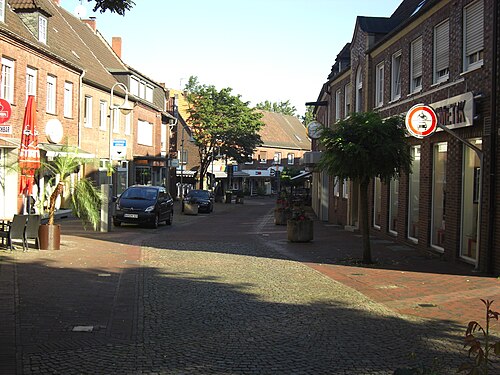
Stadtlohn is a town located in the Münsterland region of North Rhine-Westphalia, Germany. With a population of around 9,000 residents, it is part of the district of Borken and is situated near the borders of the Netherlands. The town's geographic location places it approximately 15 kilometers northwest of the larger city of Bocholt and about 30 kilometers east of the Dutch city of Enschede. Stadtlohn is well-connected by road and public transport, making it an accessible destination for both residents and visitors.
The history of Stadtlohn dates back over a millennium, with its first documented mention in the year 1091. The town developed primarily as an agricultural community, benefitting from the fertile land of the Münsterland region. In the 19th and 20th centuries, Stadtlohn experienced industrial growth, particularly in sectors like textiles and coal mining. This shift contributed to the town's economic diversification and demographic changes. Today, Stadtlohn retains a small-town charm with a mix of historical and modern influences. Notable landmarks include the St. Otger Church, which showcases Romanesque architecture, and various half-timbered houses that reflect the region's traditional building styles.
Cultural life in Stadtlohn is characterized by a range of local events and activities that foster community spirit. The town hosts annual festivals, including the popular Stadtlohn Fair, which features entertainment, food, and local crafts. Sports also play a significant role in the town's social fabric, with numerous clubs and associations catering to various interests, from football and basketball to cycling and gymnastics. With its rich history, vibrant community, and attractive landscape, Stadtlohn presents a unique blend of tradition and modernity, making it a noteworthy destination in North Rhine-Westphalia.
Facts about Stadtlohn
- Stadtlohn is known for its vibrant agricultural tradition, particularly in dairy farming and the production of high-quality cheese.
- The town is home to the annual Stadtlohner Schützenfest, one of the largest shooting festivals in the region, reflecting its strong community and local culture.
- Stadtlohn has a rich history in textile manufacturing, which was one of the significant industries in the 19th century, contributing to its economic development.
- The town features the historic 'St. Brictius Church,' which dates back to the 13th century, showcasing stunning Gothic architecture.
- Stadtlohn is located at the border of Germany and the Netherlands, making it a hub for cross-border cultural exchanges and trade.
- The town has a unique 'Museum für Bockwindmühlen,' dedicated to the preservation of historic Dutch windmills, which is a rare find in Germany.
- Stadtlohn's local government focuses on sustainability and has implemented numerous green initiatives, distinguishing itself as an eco-friendly municipality.
- The nearby 'Niederländischer Naturpark' offers unique opportunities for outdoor activities and showcases the beautiful natural landscape of the region.
- Stadtlohn hosts various cultural events throughout the year, including art exhibitions and music festivals that promote local artists and artisans.
- The town prides itself on its strong sense of community, with numerous clubs and associations that engage residents in local governance and social activities.