Stafford, United Kingdom
- 70,145 people
- 17 places to visit
- 52.8067, -2.1207
Places to Visit (17)
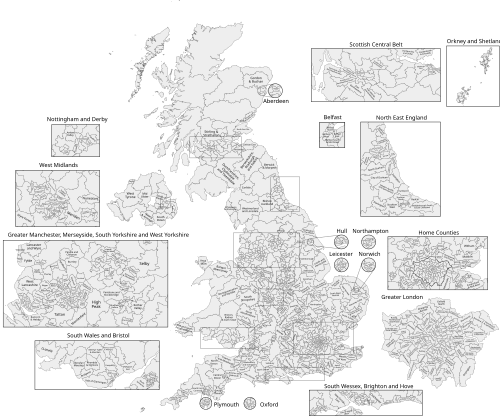
Stafford is a historic market town located in Staffordshire, England, serving as the county town. The town is situated approximately 16 miles north of Birmingham and 23 miles south of Manchester, making it well-positioned for both transport and economic connectivity. Stafford has a rich history, dating back to the Roman period, evidenced by archaeological findings and the remnants of Roman roads. The name "Stafford" is derived from the Old English "Staf-ford," which means "Ford on the (River) Stour." The town was granted its market charter in 1190 and has been an important center for trade and commerce ever since.
Prominent landmarks in Stafford include the historic Stafford Castle, built in the 11th century and offering panoramic views of the surrounding area, and the Church of St. Mary, a stunning example of medieval architecture dating back to the 13th century. The town also hosts a number of cultural venues, including the Stafford Gatehouse Theatre, which stages a variety of performances and events throughout the year. Stafford's economy has evolved over the years, with a mix of agriculture, manufacturing, and service industries. The presence of major employers, such as the Staffordshire County Council and the National Health Service, contributes to local employment and economic stability.
Transport links in Stafford are robust, featuring a central railway station that provides direct services to major cities, including London, Birmingham, and Manchester, facilitating easy commute and travel. The town is also well connected via major roads, including the M6 motorway, which runs to the east of Stafford, enabling swift access to regional and national routes. As a vibrant town with a blend of historical heritage and modern amenities, Stafford continues to attract residents and visitors alike, offering a balanced quality of life amidst picturesque surroundings. With a strong sense of community and a diverse range of facilities, Stafford retains its identity as a quintessential English market town while adapting to contemporary needs.
Facts about Stafford
- Stafford is home to the Ancient High House, one of the largest timber-framed houses in England, which dates back to the 16th century.
- The town has a rich industrial history, particularly in the field of engineering, and was a significant center for the production of railway locomotives in the 19th century.
- Stafford was the birthplace of the famous English poet William Shakespeare's contemporary, Samuel Johnson, who is known for his influential dictionary of the English language.
- Stafford Castle, a historic Norman castle, offers panoramic views of the surrounding countryside and has been a site for various historical reenactments and festivals.
- The town is known for its annual Stafford Beer and Cider Festival, which attracts thousands of visitors and celebrates local breweries and cider makers.
- Stafford serves as the administrative center for the Borough of Stafford and has a rich history dating back to the Roman period when it was known as 'Staford' meaning 'ford by a stony place.'
- The town is located on the A34, which is part of the historic and strategic route from London to the north, making it a key transport hub.
- Stafford's Shire Hall is an exquisite example of Victoria architecture and has been a central point for legal proceedings and local governance for centuries.
- In addition to its historical landmarks, Stafford hosts various annual events, including the Stafford Festival and the Staffordshire Hoard exhibition, showcasing local heritage and culture.
- The area surrounding Stafford is renowned for its scenic beauty, with the nearby Cannock Chase offering opportunities for outdoor activities such as hiking and cycling.