Stalowa Wola, Poland
- 66,495 people
- 13 places to visit
- 50.5826, 22.0536
Places to Visit (13)
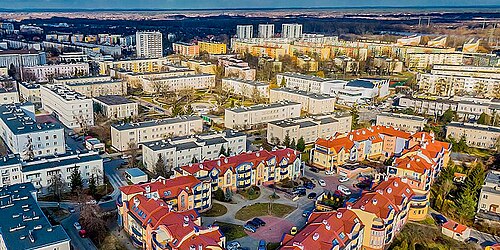
Stalowa Wola is a city located in the southeastern part of Poland, within the Subcarpathian Voivodeship. It lies on the banks of the San River and was officially established on January 1, 1939. Designed as a planned industrial city, Stalowa Wola was created primarily to facilitate the development of Poland’s steel and mechanical industries. Its founding was closely linked to government initiatives that aimed to promote industrial growth in the country during the interwar period. The city's name, which translates to "Steel Will," reflects its industrial ambitions. The significance of Stalowa Wola grew rapidly, especially after World War II, when the establishment of major factories like the Huta Stalowa Wola steelworks became a cornerstone of its economy.
The industrial landscape of Stalowa Wola has evolved over the years, contributing to both the local economy and employment opportunities. Originally focused on heavy industry, the city has diversified its economic base, incorporating sectors such as automotive production and technology. Stalowa Wola is also known for its rich cultural heritage, featuring monuments, parks, and local traditions that celebrate its history and community. The city hosts various cultural events and festivals, underscoring its vibrant social life. Over time, the population has grown, currently numbering around 60,000 residents. This growth has led to the development of educational institutions, healthcare facilities, and recreational areas which enhance the quality of life for its inhabitants.
In addition to its industrial and cultural significance, Stalowa Wola offers a unique geographical position that allows for easy access to the scenic landscapes of the Subcarpathian region. Nearby attractions include the picturesque Bieszczady Mountains and various natural reserves, making it an appealing location for both residents and visitors interested in outdoor activities. As Poland continues to modernize and integrate into the broader European landscape, Stalowa Wola remains a city that embodies both historical importance and contemporary growth, standing as a symbol of resilience and progress in the heart of Poland.
Facts about Stalowa Wola
- Stalowa Wola, meaning 'Steel Wheel', was established in 1937 as a planned industrial city focused on manufacturing and the development of the steel industry.
- The city is home to the Huta Stalowa Wola, one of the largest steelworks in Poland, which played a crucial role in the country's industrialization and economic development.
- Stalowa Wola is known for its unique layout, designed in a radial pattern that is uncommon in Polish cities, facilitating efficient access to various parts of the urban area.
- The city hosts the impressive Church of St. Joseph, a modern architectural marvel completed in the late 20th century, which stands out among traditional Polish churches.
- Stalowa Wola is recognized for its strong ties to the Polish Army, with several military installations and an extensive history of military production, including armored vehicles.
- It is home to the 3 May Park, a picturesque green area that features walking trails, recreational facilities, and numerous events throughout the year, distinguishing it as a community hub.
- The city celebrates the 'Festival of Steel' annually, showcasing its industrial heritage and attracting visitors with various cultural and artistic events related to the metalworking industry.
- Stalowa Wola has been a center for cultural activities, hosting the Stalowa Wola Art Gallery, which features exhibitions and promotes local artists, enhancing the city's cultural landscape.
- In 2017, Stalowa Wola commemorated the 80th anniversary of its establishment, highlighting its rapid growth and development as a significant industrial center in Poland.
- The city's proximity to natural landscapes, including the Sandomierz Forests and the Vistula River, provides residents and visitors with opportunities for outdoor activities, enhancing its appeal as a place to live and visit.