Stanford-le-Hope, United Kingdom
- 28,725 people
- 13 places to visit
- 51.5141, 0.4285
Places to Visit (13)
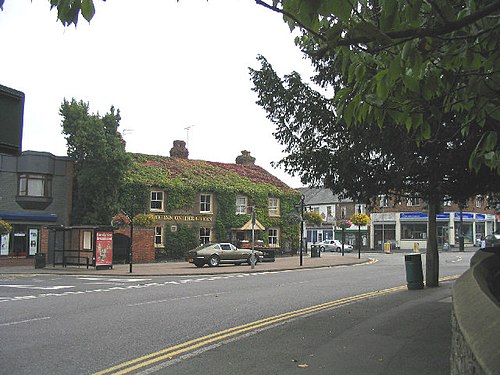
Stanford-le-Hope is a town situated in Thurrock, Essex, in the southeastern part of the United Kingdom. Historically a small agricultural settlement, it grew significantly during the 19th century with the expansion of the railway. Stanford-le-Hope lies approximately 25 miles east of central London, making it a desirable location for commuters. The town has a rich history that can be traced back to the Roman era, evident from various archaeological finds. It played a role in the development of the area, particularly with the arrival of the railway in 1854, which linked it to London and other parts of Essex, facilitating trade and movement.
The town boasts a variety of amenities, including shops, schools, and healthcare facilities. The High Street is the focal point of shopping and social activity, featuring a blend of both independent businesses and larger retail chains. Stanford-le-Hope is also known for its community spirit, with numerous local events and activities that engage residents and promote local culture. The town's geographical setting along the River Thames provides scenic views and opportunities for outdoor activities. Stamford-le-Hope's proximity to the Thames also positions it as a historical trade point, with the river historically serving as a vital route for goods and commerce.
In terms of education, Stanford-le-Hope has a selection of primary and secondary schools, including the well-regarded St. Clere's School. Furthermore, the town is conveniently located near the A13 road, which provides direct access to the London and Southend road networks. This connectivity, combined with its local charm and sense of community, contributes to the appeal of Stanford-le-Hope as a place to live, especially for those working in London but seeking a quieter lifestyle in a suburban environment. As part of the larger Thurrock borough, the town continues to develop, balancing its historic character with modern growth, making it a noteworthy location in the Essex region.
Facts about Stanford-le-Hope
- Stanford-le-Hope is part of the Thurrock unitary authority area in Essex and is uniquely positioned at the confluence of the River Thames and the River Hope.
- The town is home to the historic Stanford-le-Hope Church, which dates back to the 13th century and is known for its beautiful stained glass windows.
- Stanford-le-Hope has a rich industrial history, with the area previously known for its brick-making and agriculture, contributing to its economic development in the 19th century.
- The town hosts the annual 'Stanford-le-Hope Festival,' which celebrates local culture and community, featuring music, arts, and food.
- A notable feature of Stanford-le-Hope is the rail heritage, being served by c2c trains that connect the town efficiently to London and surrounding areas.
- The town's name includes 'le-Hope,' which is derived from the Old English word 'hoppa,' meaning 'a small river or stream,' differentiating it from others named Stanford.
- Stanford-le-Hope has been recognized for its community initiatives, including successful campaigns for green spaces and local environmental sustainability.
- The town was once home to the renowned local author and historian William Henry Hutton, who wrote extensively about the area’s heritage.
- Stanford-le-Hope has the unique distinction of having its own dedicated log cabin in the local council's Thameside Nature Park, emphasizing its commitment to outdoor recreation.
- The town features several historical pubs, including the 'The Bell,' which has been a local gathering spot for centuries, contributing to the community's social fabric.