Stara Zagora, Bulgaria
- 143,431 people
- 7 places to visit
- 42.4258, 25.6345
Places to Visit (7)
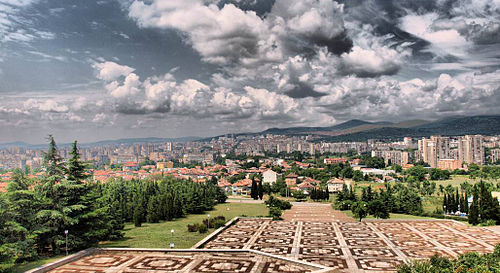
Stara Zagora is one of Bulgaria's oldest cities, located in the central part of the country. Dating back over 8,000 years, it is known for its rich history, which encompasses various civilizations, including Thracians, Romans, and Byzantines. The city was established as a significant settlement during Roman rule when it was known as Beroe. Its strategic location made it an important political, economic, and cultural center throughout different historical periods. The remnants of Roman architecture, including a well-preserved forum and amphitheater, can still be seen in the city today, attracting tourists and history enthusiasts alike.
Modern Stara Zagora has developed into a vibrant economic hub, particularly noted for its energy production, given its proximity to several coal fields. The city plays a crucial role in Bulgaria's energy sector with thermal power plants that supply a substantial portion of the country's energy needs. Additionally, the local economy benefits from various industries, including manufacturing and agriculture. Stara Zagora also holds a reputation for its green spaces and parks, contributing to its quality of life. Notable is the Ayazmoto Park, which offers recreational opportunities and beautiful views of the surrounding region.
Culturally, Stara Zagora boasts a variety of institutions and events that reflect its dynamic heritage. The city is home to several theaters, museums, and galleries, promoting a range of artistic expressions. The annual "Zagora" International Festival of Arts showcases local and international talent, further enhancing its cultural landscape. Furthermore, Stara Zagora is recognized for its well-maintained architectural gems, including 19th-century public buildings and the impressive city center. With its blend of ancient history and modern development, Stara Zagora remains a significant center of culture and economy in Bulgaria.
Facts about Stara Zagora
- Stara Zagora is one of the oldest cities in Europe, with archaeological findings dating back to the 6th millennium BC.
- The city is known for its unique layout, which features a grid pattern that is uncommon in Bulgarian cities, largely influenced by ancient Roman urban planning.
- Stara Zagora is famous for its abundance of parks and green spaces, boasting over 20 parks in and around the city, which is reflective of its nickname 'City of Parks'.
- The Stara Zagora Antique Forum, remnants of a Roman city, includes well-preserved ruins such as the theater, which remains one of the best-preserved structures from that era in Bulgaria.
- The city hosts the annual Stara Zagora International Festival of Contemporary Art, promoting artistic expression and cultural dialogue.
- Stara Zagora was a significant center for the Bulgarian National Revival, playing host to prominent cultural and educational figures in the 19th century.
- The city has a historical connection to the establishment of the first Bulgarian steam locomotive factory, which was founded in the late 19th century.
- Stara Zagora is the site of the 'Buzludzha Monument', a significant communist-era structure representing the Bulgarian Socialist ideology, located nearby.
- The city is home to the only Musical School in Bulgaria dedicated to the great composer and conductor Dimitar Nenov, contributing uniquely to the country’s musical heritage.
- Stara Zagora's population and industrial economy were significantly impacted by the extensive coal mining operations, which have shaped its development throughout the 20th century.