Starnberg, Germany
- 23,086 people
- 10 places to visit
- 48, 11.339
Places to Visit (10)
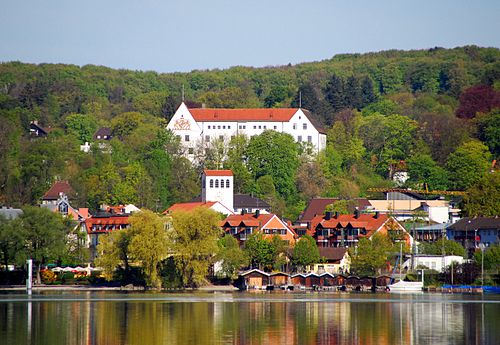
Starnberg is a picturesque town located in Bavaria, Germany, situated about 25 kilometers southwest of Munich. It is the administrative center of the district of Starnberg and has become a popular residential area due to its proximity to the capital of Bavaria combined with its serene natural surroundings. The town is nestled along the eastern shore of Lake Starnberg, a large lake known for its clear waters and stunning views of the Alps. With a population of around 25,000 residents, Starnberg boasts a blend of suburban tranquility and urban convenience, making it an attractive location for families and professionals alike.
The town has a rich history that dates back to the Roman Empire, with archaeological finds indicating settlement in the area as early as the 1st century. Starnberg gained prominence in the 19th century when it became a favored retreat for the Bavarian nobility and artists, drawn by its idyllic landscapes. The charming town center features a mix of historical architecture and modern amenities, with cafes, restaurants, and shops lining its streets. A notable landmark in Starnberg is the Neuschwanstein Castle-inspired villa known as the "Starnberg Castle," which serves as a reminder of the area’s royal past. Moreover, the city is known for its vibrant outdoor activities, with numerous hiking, cycling, and water sports opportunities available around the lake, attracting both locals and tourists.
In addition to its natural beauty, Starnberg hosts several cultural events throughout the year that celebrate its heritage and community spirit. The annual Starnberger See Marathon, local markets, and traditional festivals highlight the town's commitment to fostering a lively community atmosphere. Starnberg's excellent transport links, including a direct S-Bahn service to Munich, further enhance its appeal as a place to live, work, and visit. Overall, Starnberg offers a unique blend of historical charm, natural beauty, and modern conveniences, securing its reputation as a desirable destination in Bavaria.
Facts about Starnberg
- Starnberg is located on the shores of Lake Starnberg, which is the second largest lake in Bavaria and is known for its stunning alpine scenery.
- The town is famous for the 1886 death of King Ludwig II of Bavaria, whose mysterious drowning in Lake Starnberg has captivated historians and tourists alike.
- Starnberg is often regarded as a hub for the wealthy and is home to many upscale villas and properties, making it a popular residential area for Munich's elite.
- The historical Starnberger See is associated with significant aristocratic and royal events, including royal boat rides and gatherings.
- The Starnberg railway station, built in the 19th century, serves as an essential transportation link between Munich and the Bavarian pre-Alps region, enhancing Starnberg's accessibility.
- The annual Starnberg Lake Festival celebrates the region's culture with various events, including boat races, musical performances, and local culinary offerings.
- Starnberg is known for its rich cultural scene, featuring numerous art galleries, theaters, and the annual Starnberg Jazz Festival, attracting artists from all over.
- The city features the historical 'Schloss Starnberg,' a castle that once served as a royal residence and is now a museum showcasing local history and art.
- Starnberg is also home to one of the oldest and most beautiful churches in Bavaria, the St. Joseph Church, known for its remarkable architecture and artwork.
- With numerous hiking and cycling trails around Lake Starnberg, the area is a popular destination for outdoor enthusiasts, offering both relaxation and adventure.