Staßfurt, Germany
- 22,960 people
- 9 places to visit
- 51.8609, 11.579
Places to Visit (9)
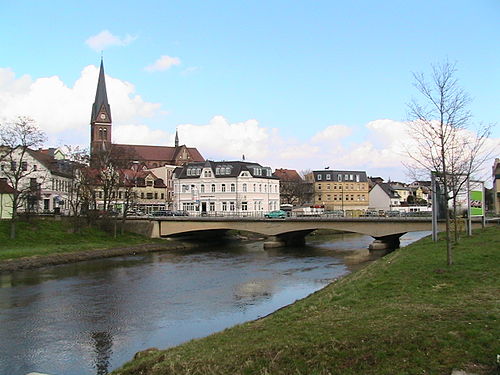
Staßfurt is a town located in the state of Saxony-Anhalt, Germany, within the district of Salzlandkreis. It is situated approximately 25 kilometers northwest of Halle (Saale) and has a rich history rooted in the mining industry. The town was first mentioned in historical records in 1194, marking its establishment in the Middle Ages. Initially, Staßfurt developed around agriculture, but it gained prominence in the 19th century with the discovery of significant potash deposits, which led to the establishment of potash mining operations. This industry attracted a workforce, contributing to the town’s growth and economic stability throughout the late 1800s and early 1900s.
The town’s industrial heritage is reflected in its architecture, with several historic buildings and remnants related to its mining past. The population of Staßfurt has varied over the years, peaking during the industrial boom, but it has experienced decline with the reduction of mining activities in the late 20th century. As of 2021, Staßfurt has a population of around 17,500 residents. The local economy has diversified since the decline of potash mining, with modern businesses and services taking root. Recreational opportunities abound in and around Staßfurt, including parks and proximity to the scenic River Bode. The town serves as a junction of rail and road networks, enhancing its accessibility and role as a regional center for trade and transport.
Culturally, Staßfurt offers various amenities, including museums, theaters, and events that celebrate its mining heritage and community spirit. One notable landmark is the Staßfurt Observatory, which reflects the local interest in science and education. The town also hosts several traditional festivals throughout the year, including Christmas markets and local fairs, fostering community engagement and a sense of identity among residents. With its blend of historical significance, industrial legacy, and evolving economic landscape, Staßfurt represents a unique aspect of Germany’s regional development in the context of the changes of the 20th and 21st centuries.
Facts about Staßfurt
- Staßfurt is known as the 'Salt City' due to its historical significance in salt mining, which played a crucial role in the local economy.
- The city was one of the first places in Germany to industrialize, with salt mining operations that date back to the Middle Ages.
- Staßfurt is home to the St. Anna Church, a notable example of Gothic architecture, which has been a landmark of the city since the 14th century.
- The annual 'Staßfurter Salztage' festival celebrates the city's salt mining heritage and includes various cultural events, exhibitions, and culinary activities centered around regional salt production.
- Staßfurt's location on the Bode River has historically made it a strategic trade route, contributing to its development over the centuries.
- The city was significantly impacted by the GDR (East Germany) period, with many of its industries nationalized and transformed within a socialist economy.
- Staßfurt has a unique 'Salt Route' tourist trail, which showcases the history and significance of salt production in the region.
- The local museum, the 'Stadtmuseum Staßfurt,' features exhibitions on the city’s industrial past, particularly its salt mining and chemical production.
- The area is known for its diverse geological structures, particularly the 'Staßfurt Anhydrite,' a significant mineral related to the salt formations.
- Staßfurt has a distinct local dialect and cultural identity that sets it apart from other cities in Saxony-Anhalt and Germany as a whole.