Stavanger, Norway
- 144,877 people
- 14 places to visit
- 58.97, 5.7331
Places to Visit (14)
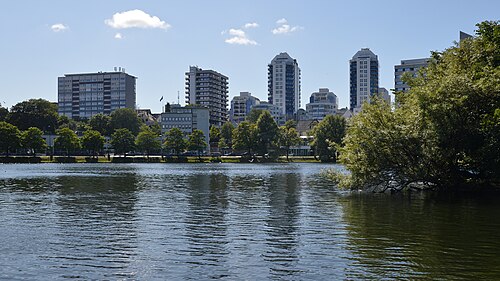
Stavanger is a vibrant city located on the southwestern coast of Norway and serves as the administrative center of Rogaland County. With a population of approximately 130,000 residents, it is the fourth-largest city in Norway. Stavanger is known for its rich maritime heritage, which dates back over a thousand years, and has evolved significantly from its origins as a small fishing village. The city gained prominence in the 19th century due to the booming oil industry, which transformed it into a major center for oil and gas operations. As a result, Stavanger is often referred to as the oil capital of Norway, housing the headquarters and offices of numerous energy companies.
The city is characterized by its striking combination of old and new architecture, with well-preserved wooden houses dating from the 18th and 19th centuries lining the streets of its charming old town, known as Gamle Stavanger. A key feature of Stavanger’s cultural landscape is its strong emphasis on art and history, illustrated by institutions like the Stavanger Art Museum and the Norwegian Oil Museum. In addition to its industrial significance, the city is also a gateway to some of Norway’s most stunning natural landscapes, including the famous Pulpit Rock (Preikestolen) and the Lysefjord. Outdoor activities such as hiking, fishing, and fjord cruises attract tourists year-round, contributing to Stavanger's status as a popular destination.
Stavanger hosts a variety of cultural events and festivals, including the annual Stavanger Food Festival, which showcases the region's culinary excellence, and the International Jazz Festival, which attracts musicians and visitors from around the globe. The city's cosmopolitan atmosphere is further enhanced by a diverse international community, influenced by its historical ties to the oil industry. Education plays a vital role in the city, with institutions like the University of Stavanger offering a range of programs that contribute to the local economy and innovation. With its unique blend of history, culture, and natural beauty, Stavanger continues to be an important hub in Norway, balancing its industrial roots with a commitment to sustainability and quality of life for its residents and visitors alike.
Facts about Stavanger
- Stavanger is known as the "Oil Capital of Norway" due to its central role in the country's oil industry since the discovery of North Sea oil in the late 1960s.
- The city has a well-preserved historical area called Old Stavanger, featuring over 170 wooden houses dating back to the 18th and 19th centuries, making it one of Europe's best-preserved wooden house clusters.
- Stavanger hosts the annual Stavanger International Jazz Festival, known as the SildaJazz, which attracts musicians and jazz lovers from around the world.
- The city is home to the only two official UNESCO World Heritage Sites in Norway: the site of the old city center and the unique landscapes around the Lysefjord, including the iconic Preikestolen (Pulpit Rock).
- Stavanger has a vibrant cultural scene, hosting the annual Stavanger Food Festival and being recognized as a UNESCO City of Gastronomy in 2019 for its commitment to quality food and sustainable practices.
- The Stavanger Concert Hall, inaugurated in 2012, is uniquely designed to resemble a ship and hosts a range of performances, making it a modern architectural landmark in the city.
- Stavanger has a significant student population, with the University of Stavanger offering programs in petroleum engineering, business, and various other disciplines, enhancing the city's youthful vibe.
- The city's unique street art scene is showcased in the Stavanger Street Art Festival, where local and international artists create murals and installations throughout the city.
- Stavanger's waterfront is an important cultural and recreational area featuring a marina, restaurants, and the famous Norwegian Petroleum Museum, which highlights the city's oil history.
- The region surrounding Stavanger is known for its scenic landscapes, including fjords, mountains, and beaches, making it a popular destination for outdoor activities like hiking and kayaking.