Stendal, Germany
- 37,722 people
- 7 places to visit
- 52.6041, 11.8518
Places to Visit (7)
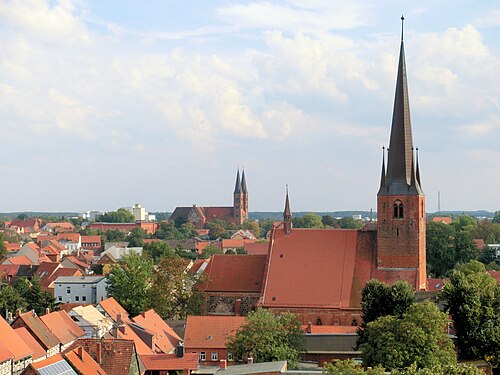
Stendal is a charming city located in the state of Saxony-Anhalt, Germany. Nestled in the northern part of the country, approximately 90 kilometers northwest of Berlin, Stendal is part of the Altmark region and has a rich history that dates back to its founding in the 9th century. The city played a significant role during the Middle Ages, emerging as an important center for trade and commerce due to its strategic position along major trade routes. By the 13th century, Stendal had gained city rights and began to flourish, establishing itself as a hub for cultural and economic activity in the region.
Architecturally, Stendal boasts a blend of medieval and modern styles, with several noteworthy landmarks. The town's historical core features the impressive St. Nicholas Church, a late Gothic structure built from the 15th century onwards, showcasing stunning stained glass windows and intricate vaulting. Another significant site is the impressive town hall, which reflects Renaissance influences and has been a focal point of civic life through the centuries. The picturesque market square, lined with traditional half-timbered houses, also highlights Stendal's charming character. Furthermore, Stendal embraces its historical significance through several museums and galleries, including the Bunte Gallery and the Stendal City Museum, which celebrate the city’s artistic heritage and local history.
Today, Stendal is a blend of historical preservation and modern life, with a population of around 39,000 residents. The city maintains a vibrant community atmosphere, supported by an array of local businesses, shops, and cafes. Festivals and events throughout the year, like the annual Altmarkfest, help promote cultural traditions and engage the local populace. Additionally, Stendal serves as an excellent base for exploring the surrounding countryside, including the nearby Elbe River and various natural reserves. Transportation is convenient, with rail connections linking Stendal to major cities, making it accessible for both residents and visitors. Overall, Stendal offers a glimpse into Germany's medieval past while simultaneously embracing the modern era, making it a unique and attractive destination.
Facts about Stendal
- Stendal is renowned for its well-preserved medieval architecture, including the famous St. Jacob's Church, which features one of the largest brick towers in Germany.
- The city is part of the Altmark region, one of the oldest settled areas in Germany, with a history that dates back over 1,000 years.
- Stendal was once a significant member of the Hanseatic League, boosting its economy and trade during the Middle Ages.
- The historical Old Town of Stendal showcases a unique mix of Renaissance, Gothic, and Romanesque styles, distinguishing it from other German cities.
- Stendal's Town Hall is a notable landmark, originally built in the 14th century, and exhibits a blend of various architectural styles that reflect the city's rich history.
- The city hosts the annual Altmark Fair, a lively event that celebrates local culture, crafts, and cuisine, drawing visitors from around the region.
- Stendal is famous for its connection to the Prussian military and is home to the Museum of Local History, which features exhibits on the area’s past.
- Stendal is the birthplace of the noted German poet and writer Theodor Fontane, known for his works on Prussian society, which adds a literary significance to the city.
- The Stendal region is recognized for its picturesque landscapes and proximity to scenic natural parks, making it a destination for outdoor enthusiasts.
- Stendal's strategic location at the crossroads of major transport routes has played a crucial role in its development and connectivity within northern Germany.