Sterlitamak, Russian Federation
- 267,231 people
- 7 places to visit
- 53.6304, 55.9308
Places to Visit (7)
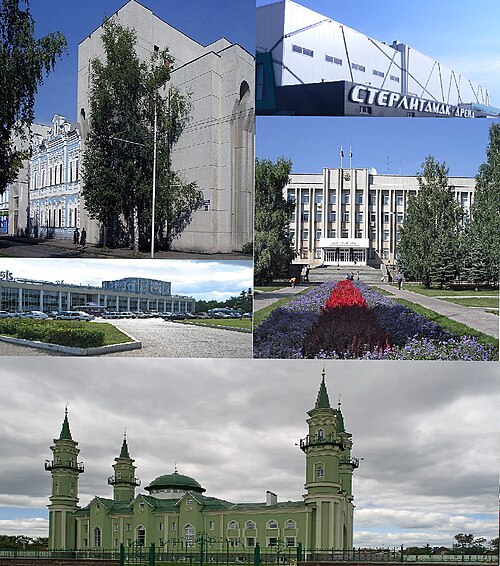
Sterlitamak is a city located in the Republic of Bashkortostan, Russia, situated approximately 160 kilometers southwest of Ufa, the republic's capital. Founded in 1766, Sterlitamak has a rich history that is closely tied to the development of trade and industry in the region. The name "Sterlitamak" is derived from the Bashkir language, which translates to "Sterlita's Mouth," reflecting its geographical position at the confluence of the Sterlitsa and Belaya Rivers. Over the years, the city has evolved from a small settlement into an important industrial and cultural center, boasting a population of around 125,000 residents.
The economy of Sterlitamak is varied, with significant contributions from chemical production, machine engineering, and food processing industries. The city is home to several large enterprises, including the Sterlitamak Soda Plant, one of the leading producers of soda ash in Russia. Additionally, the presence of academic institutions and research facilities bolsters its industrial capabilities. Sterlitamak has made strides in maintaining a balance between industrial growth and environmental sustainability, reflecting broader trends in modern Russian cities. Cultural landmarks, such as theaters, parks, and museums, complement the city's industrial landscape, showcasing its vibrant community life and traditions.
Sterlitamak serves as a cultural hub within Bashkortostan, celebrated for its contributions to Bashkir folklore and arts. The city features several educational institutions, including branches of universities and vocational schools, which promote education and research in various fields. With its unique blend of industrial prowess and cultural richness, Sterlitamak continues to play a pivotal role in the socio-economic landscape of the region, while also attracting visitors interested in exploring its historical heritage and natural beauty.
Facts about Sterlitamak
- Sterlitamak is known for its unique architectural blend, featuring a mix of traditional Russian and modern Soviet-era buildings, creating a distinctive cityscape.
- The city was founded in 1766 and has played a significant role in the history of the Bashkortostan region, serving as a cultural and administrative center.
- Sterlitamak is famous for its production of basalt, which is used in various construction and industrial applications, making it an important center for mining in Russia.
- The city hosts the annual Sterlitamak City Day celebration, which includes various cultural events, parades, and activities that showcase local traditions and community spirit.
- Sterlitamak is situated near the picturesque Belaya River, which offers recreational activities such as fishing, boating, and nature walks, attracting both residents and tourists.
- The city is home to several museums, including the Sterlitamak History Museum, which preserves the local history and cultural heritage of the region.
- Sterlitamak is also known for its educational institutions, including specialized schools and technical colleges that contribute to workforce development in various industries.
- In 1941, Sterlitamak was one of the sites chosen to relocate industries during World War II, which transformed its economy and encouraged growth in various sectors.
- The Sterlitamak Nature Park, located nearby, offers a diverse ecosystem and serves as a popular spot for hiking and outdoor activities, distinguishing it from many urban centers.
- Sterlitamak's population is characterized by a mix of ethnicities, including a significant Bashkir community, contributing to its rich cultural diversity and traditions.