Stolberg, Germany
- 56,377 people
- 14 places to visit
- 50.7731, 6.2252
Places to Visit (14)
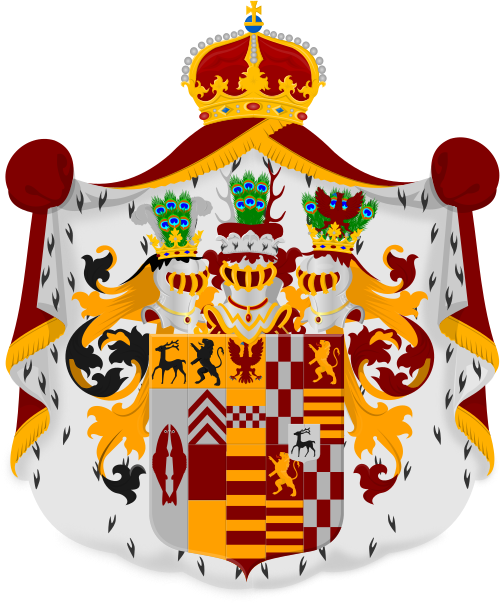
Stolberg is a historic city located in the state of North Rhine-Westphalia, Germany. Nestled in the picturesque valleys of the northern Harz mountains, Stolberg has a rich history that dates back to the early Middle Ages. The city's origins can be traced to the 10th century when it developed around the Stolberg castle, which was first mentioned in 1303. Throughout the centuries, Stolberg became known for its mining industry, particularly in the extraction of copper and silver, which played a crucial role in the local economy. The wealth generated from these industries helped fund the construction of many of the city's remarkable buildings and infrastructure.
Characterized by its half-timbered houses and charming narrow streets, Stolberg is often regarded as one of the most beautiful towns in the region. The old town, with its medieval architecture, offers a glimpse into the city's past. Notable landmarks include the Schloss Stolberg, a castle that dominates the skyline and serves as a symbol of the city’s heritage. The city also boasts several churches, including St. Nicholas Church, a beautiful Gothic structure that has stood for centuries. Stolberg’s vibrant cultural scene includes various festivals and events that celebrate local traditions, alongside opportunities for outdoor activities in the surrounding natural landscapes, such as hiking and cycling.
In recent years, Stolberg has worked to preserve its historical charm while adapting to modern demands. The city has invested in restoring its infrastructure and promoting tourism, aiming to attract visitors interested in history, culture, and nature. Stolberg is well connected, with accessibility to larger cities like Aachen and Bonn, making it an appealing location for both residents and tourists. Today, the city represents a blend of history and modernity, providing a unique insight into the region's cultural heritage and its evolution through time.
Facts about Stolberg
- Stolberg is known for its well-preserved half-timbered houses, particularly in the historic district, which sets it apart from many other towns in Germany.
- The town has a rich history of metalworking and is often referred to as the 'Copper City' due to its historical significance in the copper industry.
- Stolberg has an impressive castle, Stolberg Castle, which dates back to the 13th century and offers stunning views of the surrounding area.
- The town hosts the annual Stolberg Christmas Market, renowned for its unique handmade crafts and local products, drawing visitors from far and wide.
- Stolberg was a center for the engagement of Protestantism during the Reformation, with notable historical figures associated with the town.
- The Stolberg area is part of the Harz National Park, making it unique for its natural landscape and opportunities for outdoor activities like hiking and mountain biking.
- Stolberg's historic district includes the beautiful St. Andrew's Church, which features remarkable baroque architecture and an impressive organ.
- The municipality is also noted for its contributions to the preservation of the local culture and traditions through events like the Stolberg Fair.
- Stolberg serves as a gateway to the scenic trails and picturesque landscapes of the Ore Mountains, attracting nature enthusiasts and tourists.
- Unlike many other German towns, Stolberg has maintained a strong sense of community and local pride, reflected in its various cultural events and festivals.