Strausberg, Germany
- 26,649 people
- 10 places to visit
- 52.5659, 13.8778
Places to Visit (10)
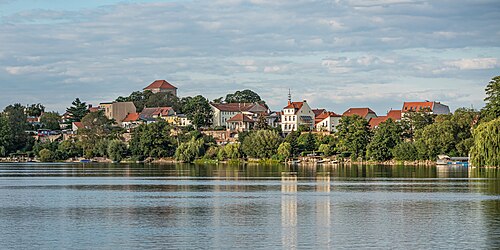
Strausberg is a picturesque town located in the state of Brandenburg, Germany, situated approximately 30 kilometers east of Berlin. With a population of around 27,000 inhabitants, it lies at the northeastern edge of the Strausberg Lake, which is a popular destination for various recreational activities. The town is characterized by its charming architecture, featuring a blend of historical buildings and modern developments. Its strategic location near Berlin makes it an attractive residential area for commuters who work in the capital while seeking a quieter lifestyle.
Historically, Strausberg has roots dating back to the 13th century, when it was first documented in 1245. Over the centuries, it has evolved from a small agrarian settlement into a significant center for commerce and industry. Notable for its well-preserved medieval structures, the old town showcases the legacy of its rich past, including the St. Marien Church, a striking Gothic building that dates back to the 14th century. The town's layout and infrastructure benefited from various developmental phases, particularly during the 19th century when it became a railroad hub, enhancing connectivity and promoting economic growth.
In addition to its historical significance, Strausberg offers a variety of cultural and recreational opportunities. The surrounding region boasts natural landscapes, including the picturesque Strausberg Forest, which is ideal for hiking, cycling, and other outdoor activities. The town also hosts events that celebrate its cultural heritage and community spirit. These include seasonal festivals, markets, and concerts, which draw residents and visitors alike. With its blend of history, natural beauty, and modern amenities, Strausberg represents a harmonious balance between urban living and the tranquility of rural life, making it a noteworthy destination in Brandenburg.
Facts about Strausberg
- Strausberg is known for its picturesque location on the shores of the Straussee lake, making it a popular spot for water sports and recreational activities.
- The city is home to a historic town center that features beautiful 18th and 19th-century architecture, setting it apart from many industrialized areas in Germany.
- Strausberg has a unique wooden tower, known as the 'Wasserturm', which dates back to the late 19th century and is a distinctive landmark in the city.
- The town's establishment dates back to the 13th century, but it gained prominence in the 19th century as a health resort due to its natural springs.
- Strausberg is part of the Berlin metropolitan region and is well-connected to Berlin by the S-Bahn, making it an attractive suburb for commuters.
- The city hosts the 'Strausberg Film Festival', celebrating local and international films, which is a significant cultural event not widely found in other German towns.
- Strausberg is adjacent to the 'Strausberg Forest', a large natural area that offers extensive hiking and biking trails, contributing to its reputation as an outdoor destination.
- The city is known for the 'Strausberger Pferdemarkt', an annual horse market that reflects the region's equestrian heritage and culture.
- Strausberg has a well-preserved old town area, featuring a blend of traditional and modern shops, cafes, and restaurants, which is a draw for tourists looking for authentic experiences.
- The local economy has a strong focus on sustainable development, particularly in areas like eco-tourism and renewable energy initiatives, distinguishing it from more industrial towns in the region.