Stuhr, Germany
- 32,507 people
- 12 places to visit
- 53.029, 8.7361
Places to Visit (12)
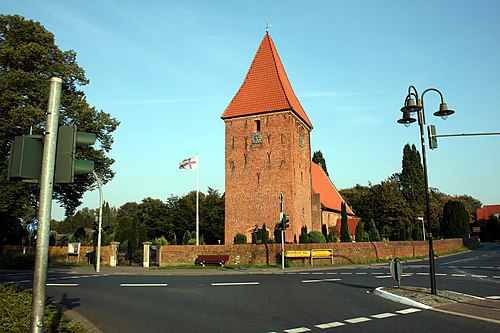
Stuhr is a municipality located in the district of Diepholz in Lower Saxony, Germany. Situated just southwest of the city of Bremen, it is part of the broader metropolitan area and has become intertwined with Bremen's suburban landscape. With a population of approximately 18,000 residents, Stuhr offers a unique blend of urban living and rural character, featuring agricultural lands alongside residential neighborhoods. The municipality is composed of several districts, including Brinkum, which is one of the largest and most well-known, along with others such as Stuhr, Moordeich, and Fahrenhorst.
The history of Stuhr dates back to the early medieval period, with historical documents indicating settlements in the region since the 12th century. The name "Stuhr" is believed to be derived from the Old Saxon word for "steward" or "herdsman." Over the centuries, the municipality has developed primarily as a farming community, although industrialization in the 20th century introduced new economic activities. The locality benefits from its proximity to Bremen, which allows residents to commute for work while living in a quieter, more rural environment. Stuhr boasts various amenities, including schools, shopping centers, and recreational facilities, making it an appealing choice for families and individuals.
Culturally, Stuhr features a range of local events and activities that celebrate the area's heritage, including traditional festivals and markets. The region is also known for its beautiful landscapes, with numerous parks and trails that provide opportunities for outdoor recreation. The municipality emphasizes sustainability and environmental protection, maintaining green spaces that contribute to the well-being of the community. Overall, Stuhr represents the integration of historical charm with modern living, making it an attractive location within Lower Saxony.
Facts about Stuhr
- Stuhr is located in Lower Saxony, Germany, and is known for its unique blend of rural charm and modern living.
- The town was officially established in 1974 when the municipalities of Stuhr, Brinkum, and others were merged.
- Stuhr is home to the historic St. John's Church, a significant landmark known for its beautiful architecture dating back to the Middle Ages.
- The town hosts the annual 'Stuhrer Schützenfest,' which is a traditional shooting festival that promotes community spirit and local culture.
- Stuhr has a rich agricultural heritage, with many farms and markets that highlight its contributions to the region's economy.
- The Grosse Bremen (Bremen) Railway line runs through Stuhr, providing a key transportation link that distinguishes it from nearby towns.
- The town is known for its extensive network of cycle paths and green spaces, making it a haven for outdoor enthusiasts.
- Stuhr offers a mix of traditional German cuisine and modern dining options, including local breweries that showcase regional beer.
- The 'Stuhr Science Park' is a unique feature of the town, focusing on innovation and technology, and attracting businesses and startups.
- Cultural events such as theater performances and art exhibitions are regularly held in Stuhr, supporting local artists and enhancing community engagement.