Suceava, Romania
- 105,796 people
- 12 places to visit
- 47.6635, 26.2732
Places to Visit (12)
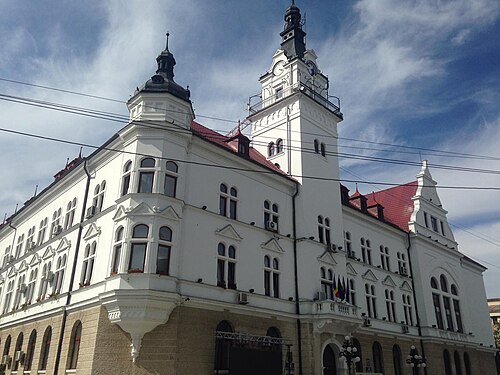
Suceava is a prominent city located in the northern part of Romania, serving as a key economic and cultural center in the historical region of Bukovina. Established as the capital of the Principality of Moldavia in the 14th century, Suceava has a rich history marked by its strategic position along trade routes and its numerous medieval fortifications and churches. The city is renowned for its historical significance, where remnants of past glory can still be seen in landmarks such as the Suceava Citadel, built in the 14th century, and the iconic Painted Monasteries of Bukovina, many of which are UNESCO World Heritage Sites. These stunning monasteries are a testament to the artistic and architectural achievements of the region, featuring vibrant frescoes that depict biblical scenes and local saints.
Today, Suceava is a lively urban center with a population of around 90,000 residents. The city's economy is diverse, encompassing sectors like trade, manufacturing, and tourism, with a growing emphasis on services. Suceava also hosts the University of Suceava, which contributes to the local educational landscape and attracts students from various regions. The city’s blend of historic charm and modernity makes it an appealing destination for visitors. Tourists often explore its quaint streets, lively markets, and significant cultural sites. Additionally, Suceava’s surrounding natural beauty, including the nearby Eastern Carpathians, provides ample opportunities for outdoor activities such as hiking and skiing. As a gateway to Bukovina, the city offers a unique glimpse into Romania’s heritage and a vibrant contemporary lifestyle.
Facts about Suceava
- Suceava was the capital of the Moldavian Principality from the 14th to the 16th centuries, making it an important historical center in Romania.
- The city is home to the impressive Suceava Citadel, a major fortress that dates back to the 14th century, which played a crucial role in the defense of the Moldavian state.
- Suceava is known for its UNESCO World Heritage Sites nearby, including the painted monasteries of Bukovina, famous for their exterior frescoes and unique architectural style.
- The city hosts the annual Bucovina International Festival, which celebrates traditional Romanian culture, traditional crafts, and folk music.
- Suceava is unique for its multicultural heritage, influenced by Romanian, Ukrainian, Polish, and other cultures throughout its history.
- The area around Suceava has significant archaeological sites, including remnants of the prehistoric Cucuteni-Trypillian culture, one of the oldest in Europe.
- Suceava is the birthplace of several notable historical figures, including Stephen the Great (Ștefan cel Mare), a key figure in Romanian history known for his resistance against the Ottoman Empire.
- The city features the Museum of History, which showcases artifacts from the region's rich historical tapestry, including the medieval period.
- Suceava is a gateway to the picturesque landscapes of the Bukovina region, known for its green hills, traditional farms, and vibrant cultural traditions.
- The local gastronomy in Suceava includes unique dishes influenced by its diverse ethnic heritage, such as 'sarmale' (cabbage rolls) and 'plăcinte' (pastries) that reflect the region's cultural blend.