Sullana, Peru
- 160,789 people
- 8 places to visit
- -4.9007, -80.6955
Places to Visit (8)
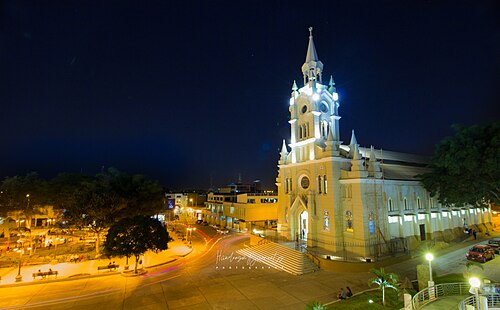
Sullana is a city located in the Piura Region of northern Peru, serving as the capital of the Sullana Province. It is situated near the Chira River and is about 60 kilometers (approximately 37 miles) east of the city of Piura, the region's capital. Sullana has a population of approximately 130,000 inhabitants and plays a crucial role as an economic and cultural center in the region. The city is known for its agricultural productivity, benefiting from the fertile lands surrounding the Chira River, which supports the cultivation of various crops such as rice, sugarcane, and cotton. This agricultural prominence has led to the establishment of various industries related to food processing and agricultural exports.
Sullana features a hot semi-arid climate, characterized by a dry season from May to October and a wet season from November to April, with temperatures typically ranging from 20 to 35 degrees Celsius (68 to 95 degrees Fahrenheit). The city is well-connected through road networks and serves as a gateway to other regions in northern Peru, facilitating trade and commerce. In terms of cultural significance, Sullana hosts traditional festivals and celebrates various religious events, reflecting its diverse heritage. Notably, the city is home to the annual Carnaval de Sullana, a vibrant celebration filled with parades, music, and dancing, attracting both locals and visitors alike. Overall, Sullana represents a blend of agricultural wealth, cultural richness, and strategic importance in northern Peru.
Facts about Sullana
- Sullana is known as the 'Land of the Eternal Sun' due to its warm climate, making it one of the sunniest cities in Peru.
- The city is situated at the confluence of the Quatros and Chira rivers, playing a significant role in local agriculture and irrigation.
- Sullana hosts the famous 'Festival de la Primavera', celebrating the arrival of spring with colorful parades, music, and cultural events, attracting visitors from across the region.
- The Sullana Cathedral, built in the early 20th century, is a prominent landmark known for its unique architectural style and beautifully decorated interior.
- The city has a rich agricultural history, especially in producing crops like rice and mango, which are vital to the local economy.
- Sullana is strategically located near the Tierras Altas region, making it a crucial commercial hub for trade between the Andes and the coast.
- In the 19th century, Sullana was an important site for the rubber boom, which significantly influenced its economic development.
- Sullana is famous for its unique culinary offerings, including 'Seco de Cabrito', a traditional goat dish that combines local ingredients and flavors.
- The city has seen significant growth due to its proximity to the Pan-American Highway, which enhances connectivity and trade.
- Sullana hosts various cultural events throughout the year, including music festivals that showcase both traditional and modern Peruvian music.